★ Win a Bore Tech rifle cleaning kit worth £491! Click here to enter ★

My best advice
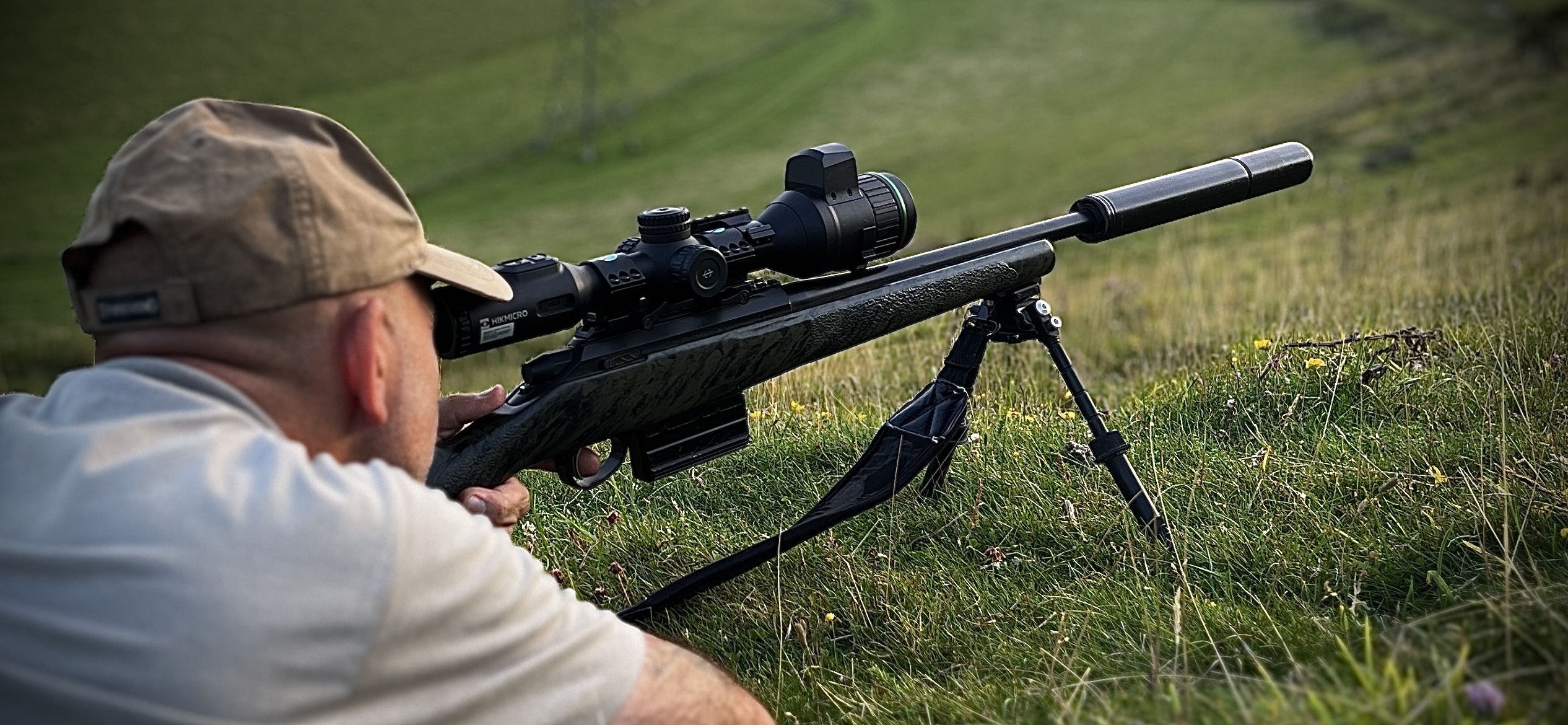
Will O’Meara finds that a conversation with a newcomer to stalking helps him solidify some nuggets of advice for navigating the nuances of deer stalking.
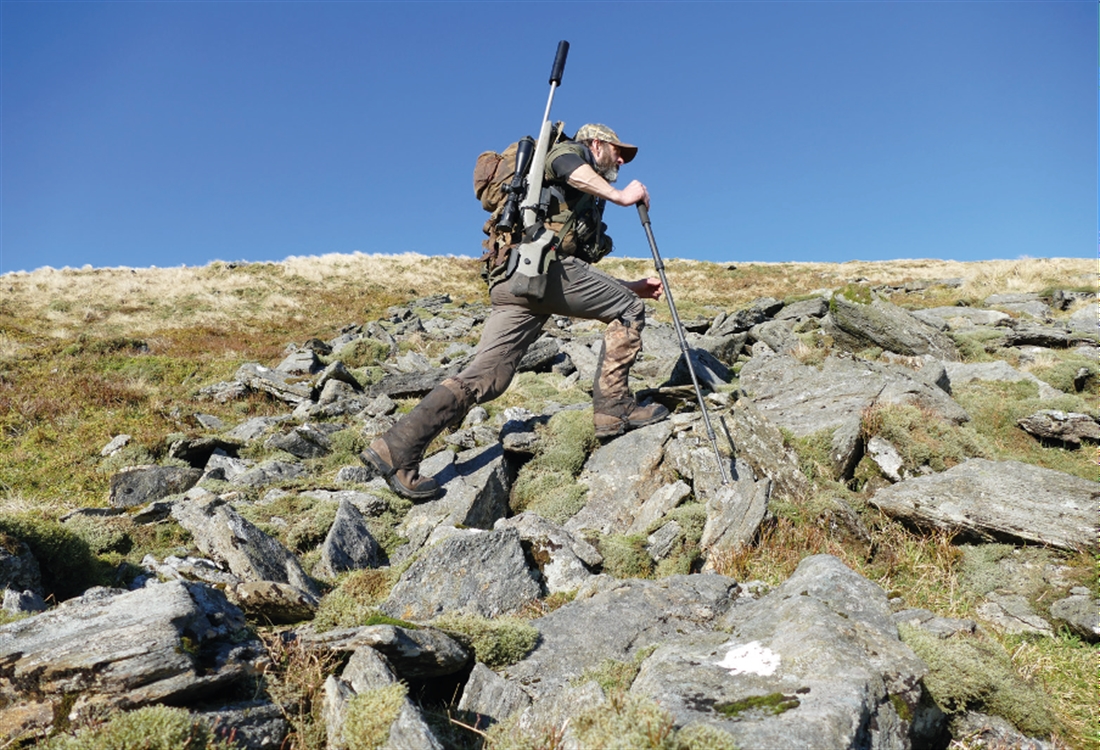

There’s nothing like a road trip for a good conversation. We weren’t five minutes into the journey when the topic turned to hunting. “Six weeks and counting!” announced my co-pilot, a friend who had recently taken up deer stalking. He was eagerly looking forward to the upcoming season, full of enthusiasm and hungry for information. This made me realize that most of my in-depth conversations about hunting are usually with experienced hunters – either friends or those I’ve guided. In the latter case, the conversation is often limited to the short drive to the hunting area and back. Once we’re in the field, it’s mostly whispers and brief coaching – not so much explaining what to do, but more about controlling the situation to ensure their success.
I sometimes reflect that the guided hunter may not always appreciate how special the hunt has been, what tactics were used, or the various factors considered. Sometimes, it seems like they’re just following along, and when things come together, it’s taken for granted. But maybe I’m being harsh.
Back to the road trip – the conversation was a refreshing opportunity to pass on some knowledge and advice to my friend who had just discovered the fascinating world of hunting. This article will share some of the insights from that conversation, and I hope it’s as useful to you as it was to him.
There are many types of hunting, with differences in species, environment, traditions, and tactics. Here, we’re focusing on deer hunting. Specifically, it might be sika deer in Ireland, but in my experience, the principles apply to other species and locations. Why? Because deer behavior is shaped by their environment. It can vary from valley to valley, forest to forest, and farm to farm, depending on factors like bedding and feeding areas, transit routes, and pressure on the deer.
For example, in one area I hunt, if you spook a deer, it will run for miles, usually heading for the skyline. In another area just a few miles away, the same species will run 200 meters and then lie down in the heather. In yet another area, deer will run 300 meters, gather, and watch you. Why the difference? In the first area, the deer are heavily pressured and shot at from long distances. In the second, they experience less pressure, so they react differently. In the third area, deer are hunted but never pushed. If a stalk fails, the hunter retreats without firing, and there’s no extended-range shooting. This is a good example of deer management, reflecting a German hunter’s saying: “No forests are shot-out, but many are pressured-out.” He also said, “The deer follow the saw,” meaning that when trees are cut, more grass grows, and deer will feed on the new growth. This is also true for pathways cut through forests – deer often follow the path of least resistance, a factor to consider when planning highseats.
Understanding deer behavior helps you plan your hunt more effectively. For instance, using a whistle can sometimes stop a running deer. Timing is crucial, and you have to gauge how spooked the deer is. I also use the whistle when the deer are feeding, especially for a headshot. While I do advocate headshots in the right conditions (range, shooting position, angle, and experience), I advise against taking them on grazing deer because their heads move too quickly. An alert deer, after a whistle, will often pause, presenting the best opportunity for a headshot.
Another tactic is to wait until a deer reaches the edge of cover before whistling, as they’re more likely to pause there, offering a second shot. When hunting in dense cover, if a deer is moving toward you and you have a narrow shooting lane, a loud shout can stop it in its tracks – just be ready to shoot. I’ve used this tactic on running foxes, and it works there too.
Another topic we discussed was range. “How far can you shoot them?” my friend asked. My answer: “Get as close as you can, then wait, and get even closer.” The best hunting comes from the best stalking – getting in close without being detected gives you the best chance of success. If long-range shooting is necessary, be comfortable with it. Practice is key. Knowing your rifle, your ballistics, and how to read the wind all play a part. I’ve made long shots successfully, but only within the reliable expansion range of the bullet. Every bullet has a maximum effective range, beyond which it won’t expand properly. This depends on the bullet’s construction, composition, and velocity. Researching this data will help you know your bullet’s effective range. The key is to leave ego behind and know your limits, which can only be tested through real-world practice.
When asked for any other advice, I had plenty. If I were to build a list, it would look like this:
- Always be safe – hunting is a hobby, and no shot is worth risking safety.
- Prepare your gear. Double-check everything. If something fails, it’s still your responsibility. Also, always bring more ammo than you think you’ll need.
- Travel light. Keep gear to a minimum – less clutter means less to manage, and you’ll conserve energy, which counts when under pressure or when hauling a deer.
- Start cold. Many hunters layer up early and end up sweating, which leads to discomfort later when you’re lying still and the sweat cools. Be prepared for this.
- Don’t rush. Focus on the process, one step at a time. Don’t get ahead of yourself.
- Shoot at a reasonable magnification. You’ll shoot better and see more of the shot reaction if you’re zoomed out a bit.
- Have a checklist and know it by heart. I mentally go over mine: muzzle clearance, moderator tight, scope settings, rifle loaded, safety on, position, confirm target and range, estimate wind, check the backdrop. Then execute the shot: breathe, sight picture, check wind, safety off, trigger, watch impact, reload, observe, safety back on. This checklist also helps when reviewing the situation afterward.
Finally, my last piece of advice: relax, don’t take yourself too seriously, and enjoy the experience.
Related Articles
Hunting
Rising deer numbers challenge venison market
Deer numbers are increasing across the UK, but the venison market faces hurdles. Alex Hatton delves into these challenges and what they mean for stalkers nationwide
By Robert Hardy
Hunting
UK hunting
How to start deer stalking in the UK
Deer manager Chris Rogers examines the UK’s expanding deer population and the opportunities it presents for first-time stalkers.
By Chris Rogers
Put the phone down. Pick up the magazine.
Subscribe to Rifle Shooter
Rifle Shooter is Britain’s only dedicated rifle shooting publication – and at just £4.49 an issue, a subscription is the smartest decision you’ll make this season. That’s 44% off the newsstand price, delivered to your door before it hits the shelves.
Every bi-monthly issue is packed with rifle and optics reviews, stalking features, long-range technique and international hunting adventures. Each edition also features an exclusive interview with a guest editor from the very top of the sport – candid, first-hand insight you won’t find anywhere else.
No algorithms. No clickbait. Just exceptional rifle shooting content, crafted by people who live and breathe the sport.
Since launching in 2015, Rifle Shooter has built a loyal community of stalkers, target shooters and hunters who know that some things are worth reading properly. Join them.