★ Win a Bore Tech rifle cleaning kit worth £491! Click here to enter ★

Bunnies beat the blues: summer rabbit control on small acreages
Professional pest controller Ben Collins on why summer is no time to hang up the rimfire, and how patient, on-foot fieldcraft with a suppressed .22LR keeps small-acreage rabbit numbers in check
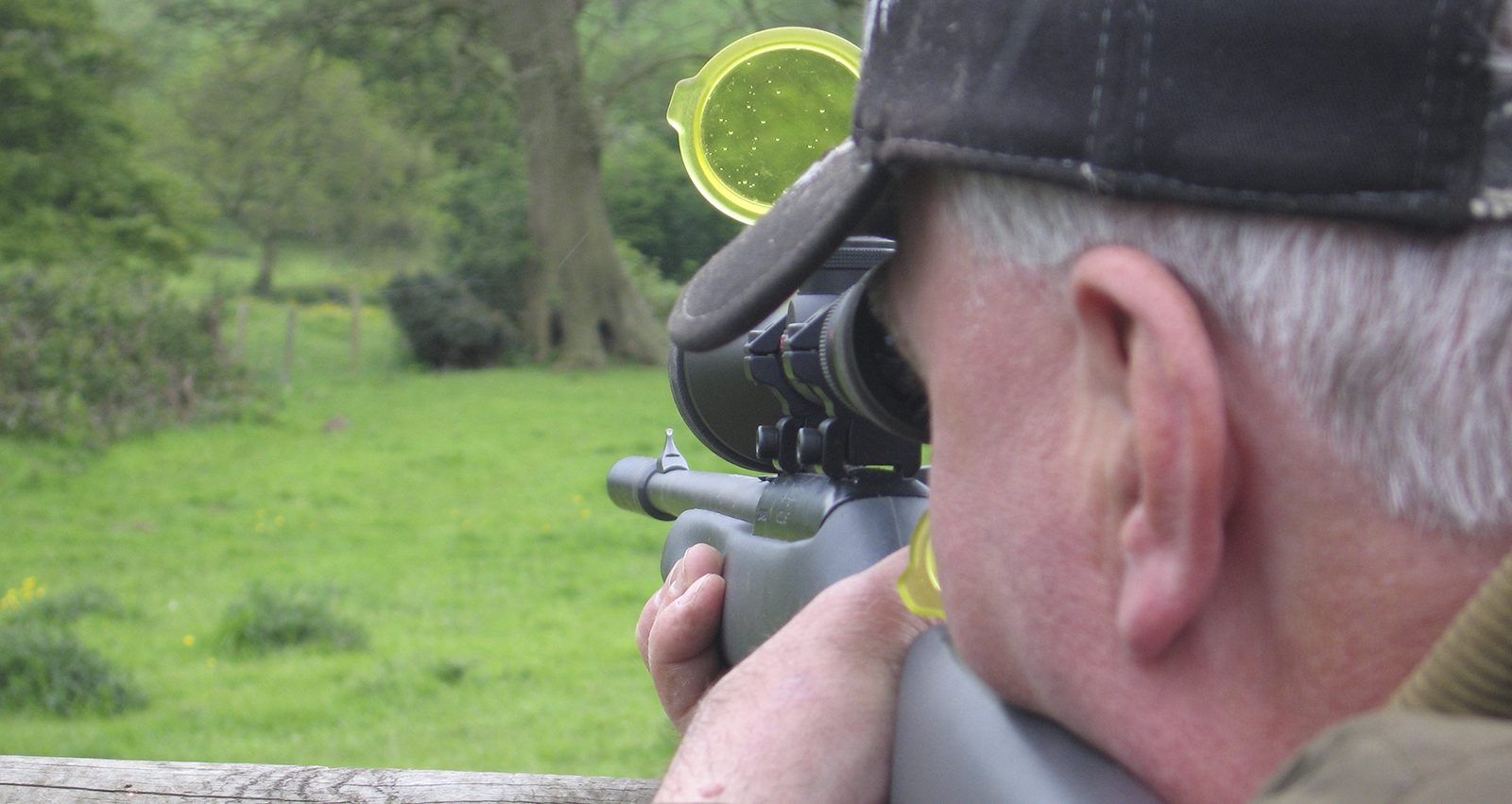 A stealthy approach on foot gives better results, over a more sustained period

Unless roebuck is your passion, many rifle hunters see summer as a lean – or even a lull – period, with the inevitable no-trigger blues setting in. For me, it’s not just a sport, it’s my livelihood, and so summer brings its own set of challenges, keeping me on my toes both metaphorically and physically.
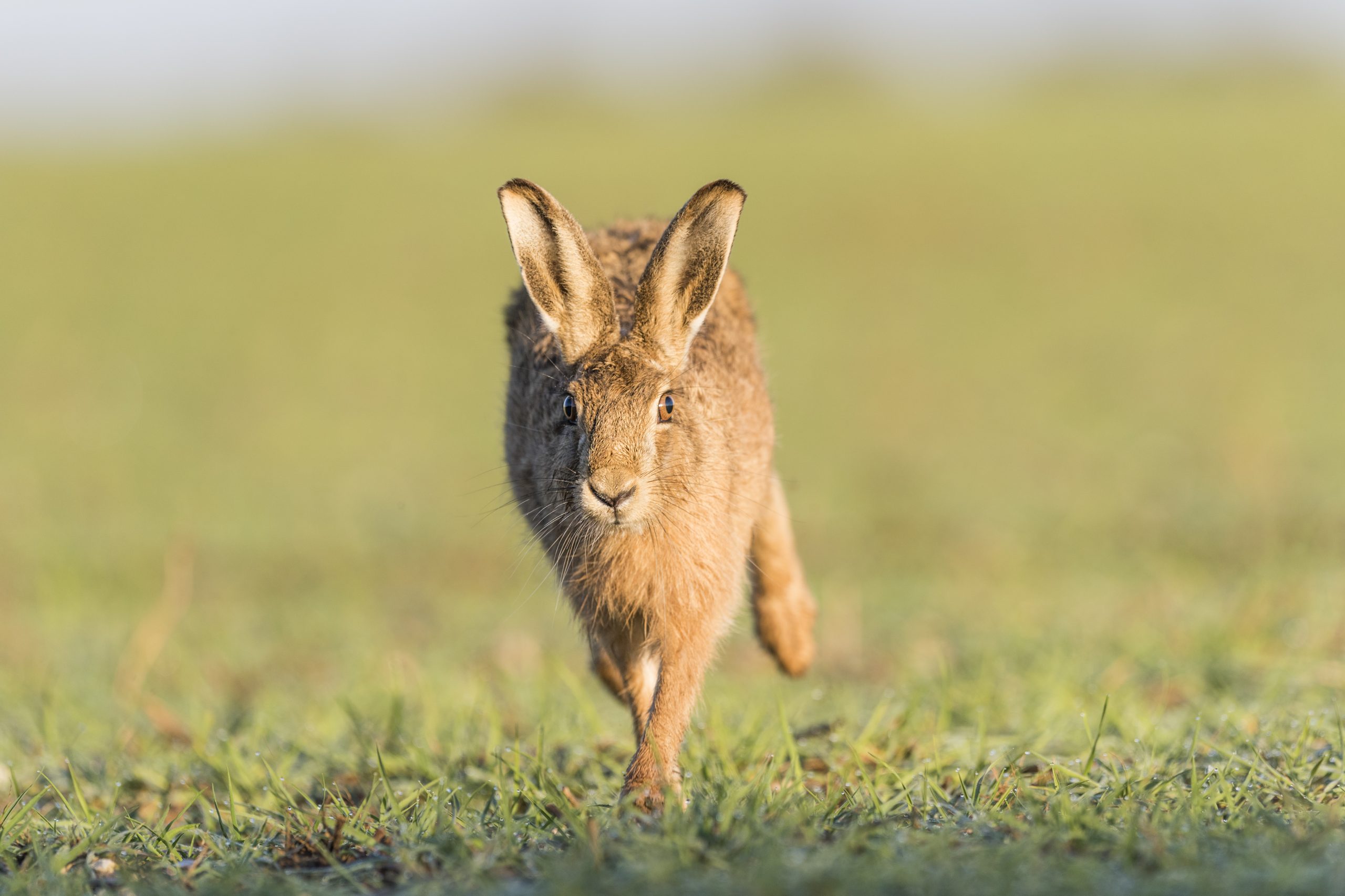
With the growing season in full swing, my phone is rarely quiet. Farmers asking me to protect vulnerable cereal crops, smallholders and market gardeners to safeguard burgeoning vegetable plots, and livestock and horse owners who want to preserve valuable fresh grazing. They all want me to “do something about these damn rabbits.”
Just because there’s a job to be done doesn’t mean it can’t be enjoyed. There’s always the added bonus of putting prime meat on the table – or, better still, on the barbecue – accompanied by a cold glass of cider or a crisp white wine.
Rifle reasoning
When it comes to my weapon of choice, while the .17 HMR has become very popular for pest control, I still prefer the good old tried and tested .22LR for rabbits. I’m not knocking the .17 HMR, it is an extremely effective round for a variety of ground game and vermin, but for me, in this context, the .22LR offers several clear advantages.
Firstly, the ammunition is cheaper – roughly half the price – which may not be a major consideration when you are firing one or two shots whilst out deer stalking, but when you can be getting through a box of 50 each day, it becomes a factor. It’s also a more forgiving round. Like most experienced rifle shots, I try to go for head shots on rabbits to keep the kill and the resulting carcass as clean as possible, but it is not always viable. If you are going to make a dent in a sizable rabbit population, you’re going to have to take every chance available. If the odd shot drops or drifts a fraction more than expected, a rabbit struck in the shoulder or chest with a .22LR will often still be usable – something that is rarely the case with the .17 HMR.
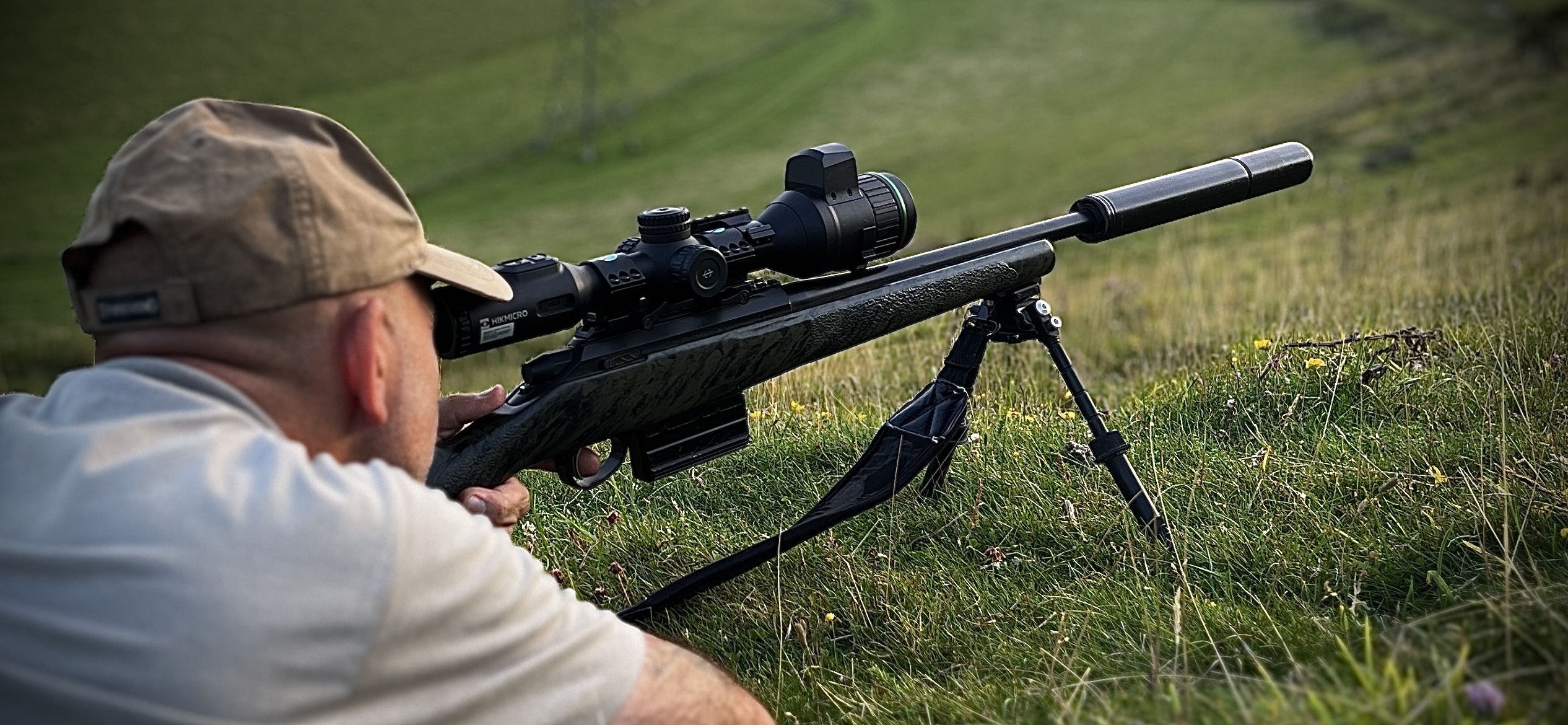
Finally, much of my rabbit control takes place on relatively small acreages, often well within earshot of nearby homes. A suppressed .22LR firing subsonic ammunition is a far more discreet and public-friendly option – provided, of course, that you remain constantly aware of the increased risk of ricochet, which is the trade-off with the slower projectile.
It is always going to be a case of horses for courses and personal preference. For me the .22LR remains an excellent vermin calibre, more than capable of controlling rabbits and providing meat for the table.
Cartridge choice
I’ve always subscribed to the view that if something isn’t broken, then don’t fix it. That’s not to say I’m closed to innovation – only that I need convincing that there are genuine benefits before moving away from something that serves me well.
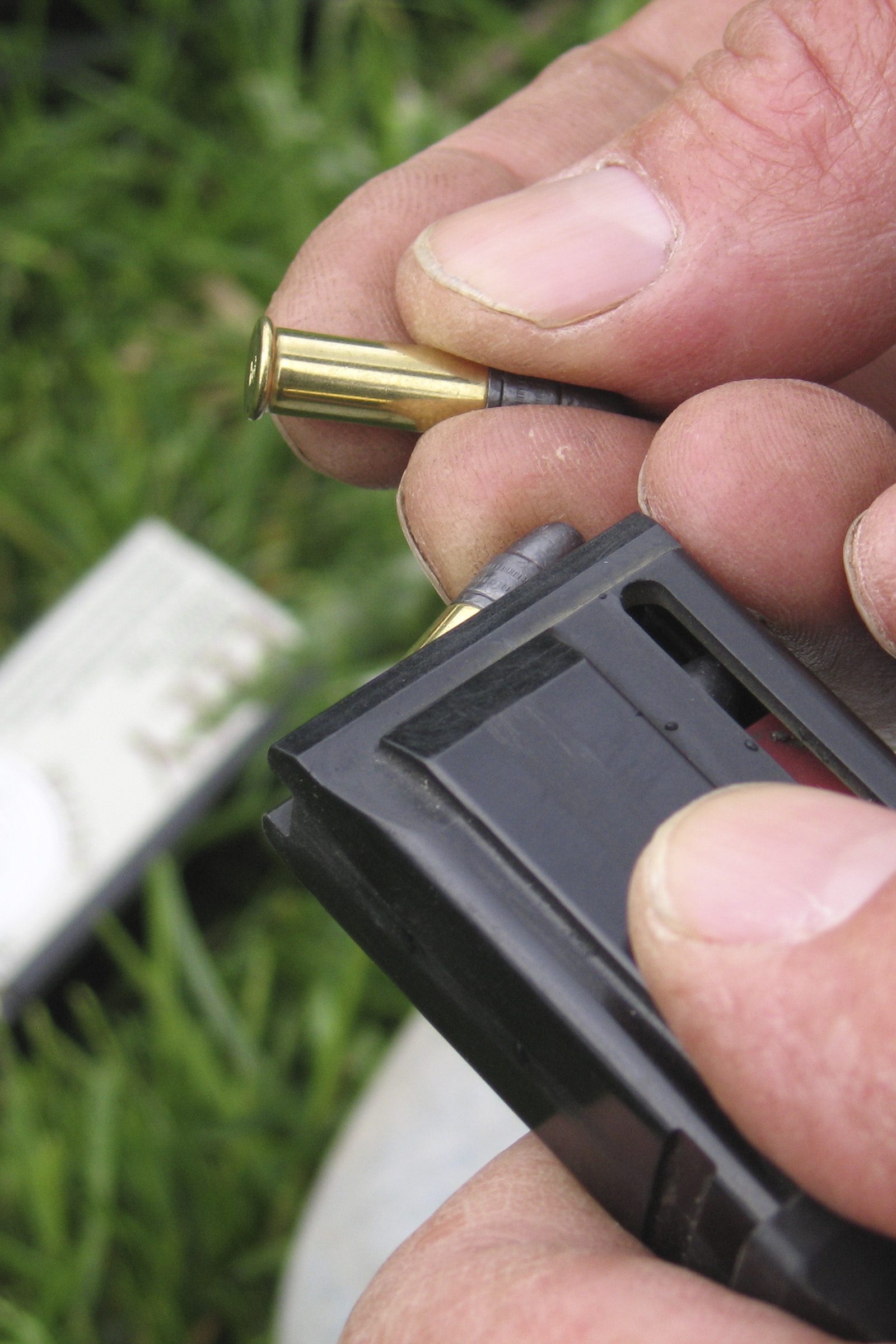
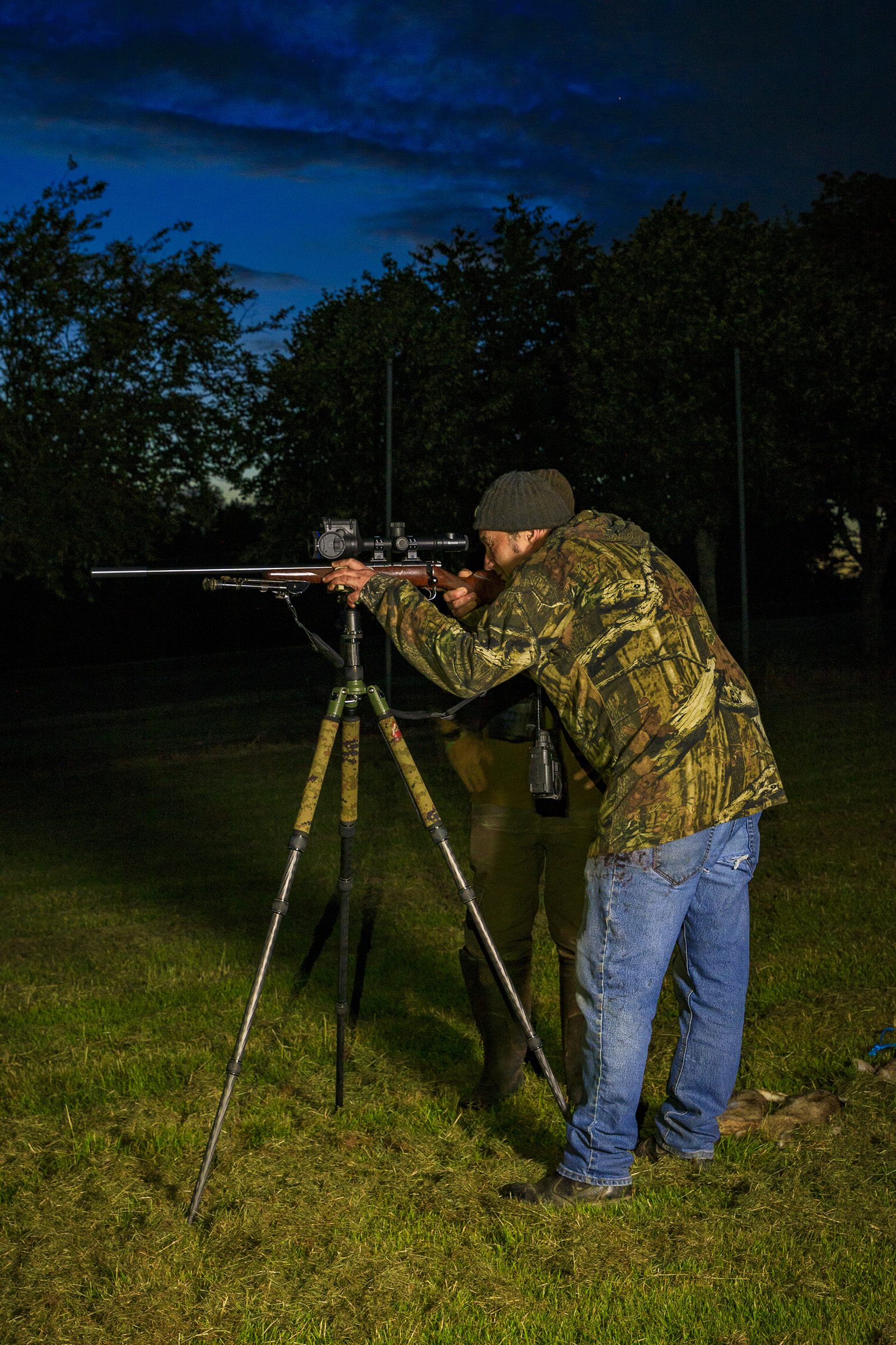
After purchasing my CZ 457 rifle, I experimented with a range of ammunition and found it really liked the 38 grain Eley Subsonic hollow point, which I have found reliable and affordable. It’s a pairing that gives me excellent accuracy out to around 80-100 yards and one I will continue to use until I’m convinced otherwise. The rifle is topped with a Hikmicro Alpex day/night scope, which gives me the flexibility to continue shooting effectively into dark when I need to.
Feet on the ground
With this sort of set-up, you can make a real impact on rabbit numbers – but only if you’re prepared to put in the time. Rabbits have their amorous reputation for good reason and, while shooting a dozen one evening may raise a temporary smile from the farmer, before long the calls will return: crops are still being damaged, and they’ll want to know what you’re going to do about it. In my experience it is better to hit them and hit them hard from the outset. Focus on areas you can realistically cover in a morning or evening and revisit them regularly until you are struggling to shoot or even see a rabbit. From then on, a call to the landowner and an occasional follow-up visit as you are passing should be enough to keep numbers under control.
While shooting from a vehicle can be convenient, I find that – unless the area is unfeasibly large – stalking on foot produces far better results. For some strange reason, as soon as the humble rabbit becomes the quarry, even experienced rifle shots seem to forget all aspects of fieldcraft, which they would otherwise practise without question. Stealth, concealment, wind direction and even noise are more often disregarded as they drive from field to field, popping off one rabbit here and another there. This may well provide a few hours’ sport, but all they are achieving is to disturb the ground and educate the survivors to quickly disappear underground at the sight or sound of an approaching vehicle. By the time the terrified inhabitants decide to re-emerge they will have moved on to try their luck elsewhere; it is not effective control.
Focus your efforts
There are few occasions where the rabbit population is housed across an entire field. More often there are smaller areas of tightly packed warrens containing the majority of the stock. Sandy banks, hedgerows, ditches and field corners are all favourite places and, once identified, should become the focus of your attention. Wearing muted or camouflage clothing – whichever you prefer – and making a slow, stealthy approach into a position from which you can cover one or more of these warrens causes far less disturbance than driving around the field.
By quietly positioning myself downwind in available cover, I can steadily pick off sitting rabbits, totally unaware of my presence. Even when they become unsettled and briefly retreat underground, the minimal disturbance means they will soon reappear. This low-pressure approach – methodically working between warrens – gives much better results and over a more sustained period. It’s a bit like the moral of the young bull and the old bull!
For this type of shooting I favour a tripod with a swivel head, like the Primos or Gen5 Trigger Sticks. These allow me to quietly pan and cover a wide arc of fire, without the need to constantly reposition – as I would with shooting sticks – keeping movement to a minimum. They do not offer as stable a shooting platform as quad sticks, but then I’m not looking to take long shots. I want the vast majority of my shots to be within 80 yards – something entirely achievable with good fieldcraft and proper use of the wind.
So rather than waiting for autumn to reignite your enthusiasm, why not pick up the .22LR, earn some brownie points with a local landowner, and bring home some excellent, lean meat in the process.
Frequently Asked Questions
Why use a .22LR rather than a .17 HMR for rabbit control?
For small-acreage rabbiting the .22LR has several advantages: the ammunition is around half the price, which matters when you might shoot a box of 50 in a day; it is more forgiving, so a rabbit struck in the shoulder or chest is often still usable for the table; and a suppressed .22LR firing subsonic ammunition is far more discreet near houses. The trade-off is a greater risk of ricochet from the slower projectile.
What ammunition does a CZ 457 shoot well for rabbits?
Ben Collins found his CZ 457 really liked the 38 grain Eley Subsonic hollow point, which he rates as reliable and affordable. The combination gives excellent accuracy out to around 80-100 yards.
Is stalking rabbits on foot better than shooting from a vehicle?
Unless the ground is unfeasibly large, stalking on foot produces far better results. Driving from field to field disturbs the ground and quickly teaches the survivors to bolt underground at the sound of a vehicle. Positioning yourself downwind in cover and working quietly between warrens keeps disturbance to a minimum and gives more sustained control.
Related Articles
Hunting
Down to earth: fox control at cub time
Gamekeeper Lance Barton explains why cub time is a narrow but important window in the foxing calendar, where planning and preparation pay dividends
By Lance Barton
Hunting
Rising deer numbers challenge venison market
Deer numbers are increasing across the UK, but the venison market faces hurdles. Alex Hatton delves into these challenges and what they mean for stalkers nationwide
By Robert Hardy
Put the phone down. Pick up the magazine.
Subscribe to Rifle Shooter
Rifle Shooter is Britain’s only dedicated rifle shooting publication – and at just £5.82 an issue, a subscription is the smartest decision you’ll make this season. That’s 35% off the newsstand price, delivered to your door before it hits the shelves.
Every bi-monthly issue is packed with rifle and optics reviews, stalking features, long-range technique and international hunting adventures. Each edition also features an exclusive interview with a guest editor from the very top of the sport – candid, first-hand insight you won’t find anywhere else.
No algorithms. No clickbait. Just exceptional rifle shooting content, crafted by people who live and breathe the sport.
Since launching in 2015, Rifle Shooter has built a loyal community of stalkers, target shooters and hunters who know that some things are worth reading properly. Join them.