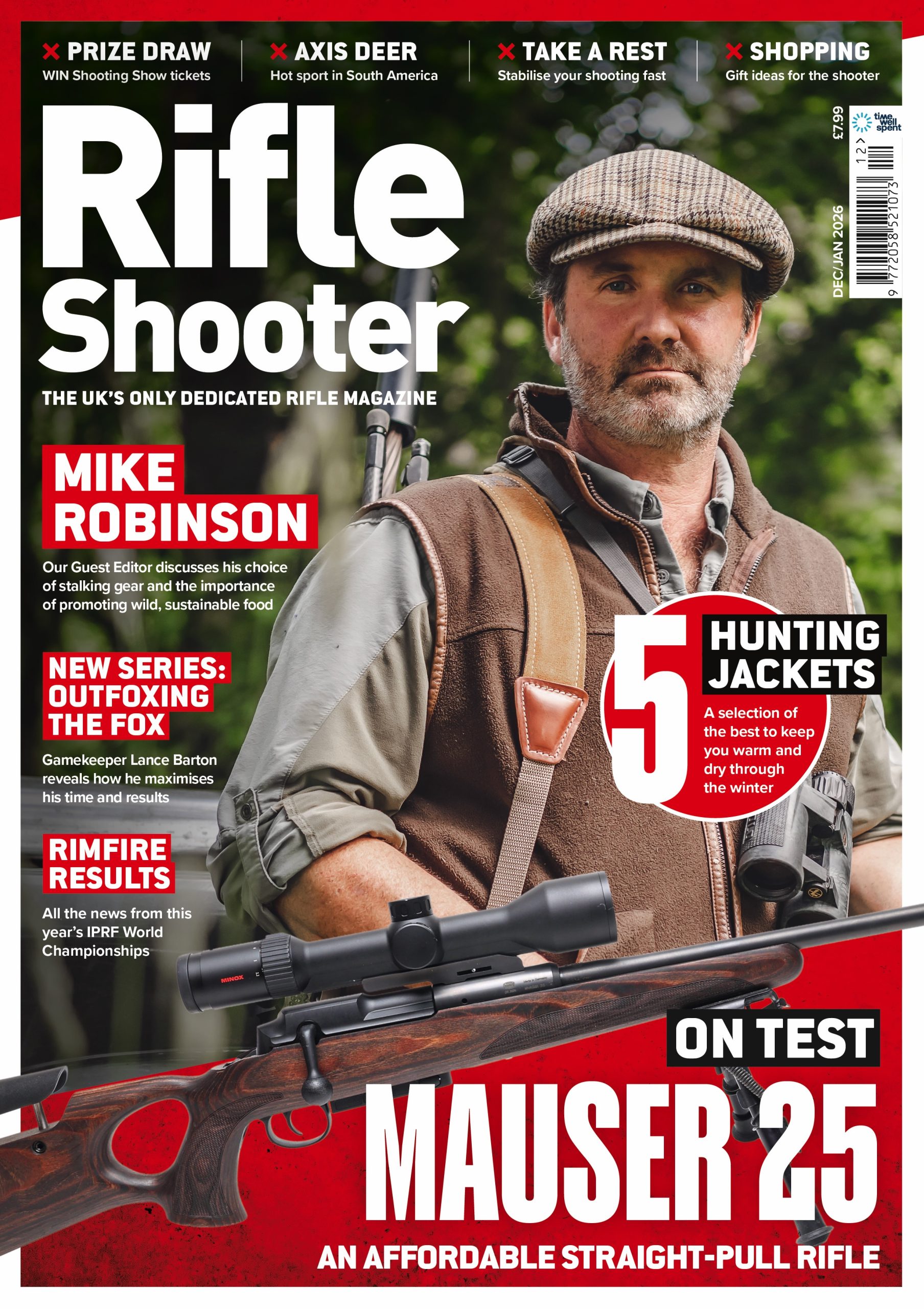
★ Save on shop price when you subscribe to Rifle Shooter. Pay just £4.49 per issue – 44% cheaper than buying in-store. Subscribe here ★


Rising deer numbers challenge venison market
Deer numbers are increasing across the UK, but the venison market faces hurdles. Alex Hatton delves into these challenges and what they mean for stalkers nationwide
 Is more deer good news for the stalker?

The UK Government states the deer population is believed to be around 2 million, its highest level in 1,000 years. Although they say “believed” to be, deer managers know the true figure could be quite different. Previously the Government range was between 750,000 and 1.6 million, a huge spread.
Is it important to know the headline-grabbing number of the UK deer population? That depends on how you intend to use that number. Putting a nice round figure in the millions certainly grabs headlines, and the papers quoting it often favour population reduction, highlighting the impact deer have.
If the topic were foxes – of which we have over 350,000 in the UK – it would not be as interesting. Nor would the public support any sort of cull, as their interaction with foxes is limited to the positives of seeing them alive in cities. The badger population stands at around half a million, but again articles discussing their impact on the countryside are against any sort of control.
A route to market
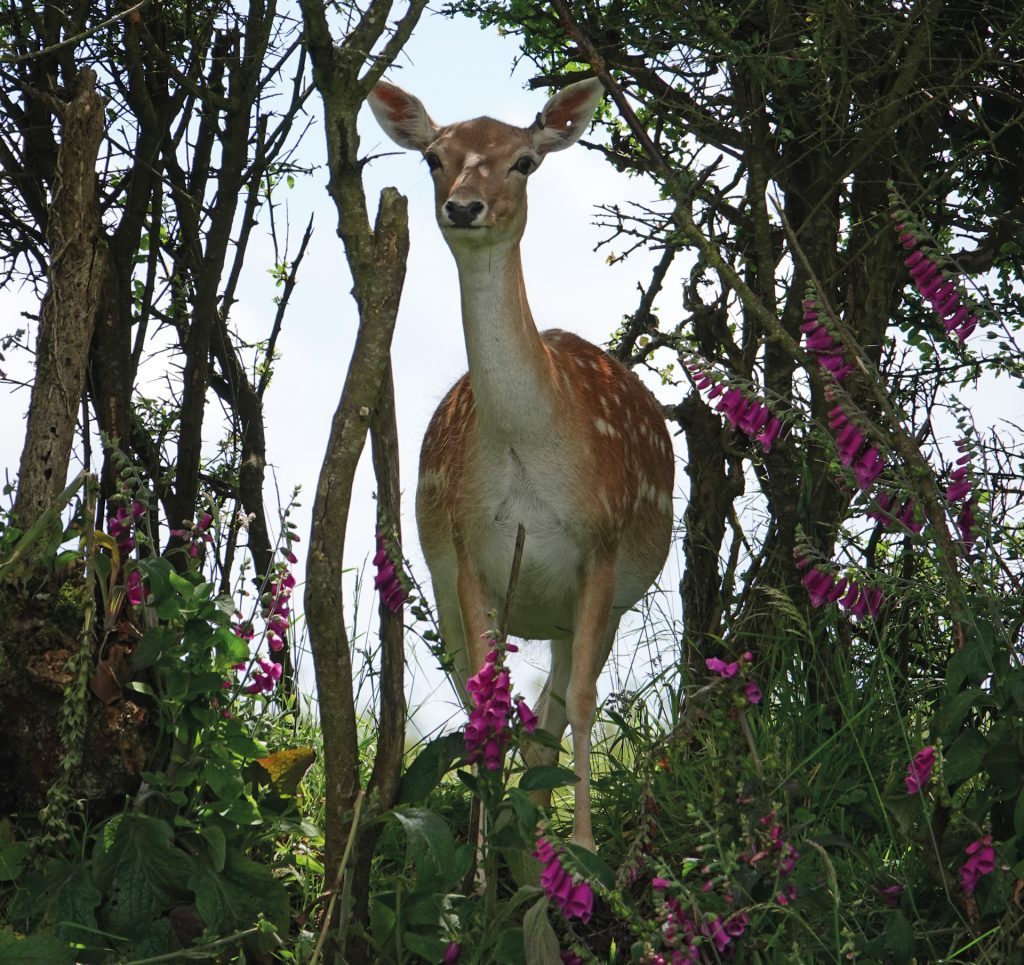
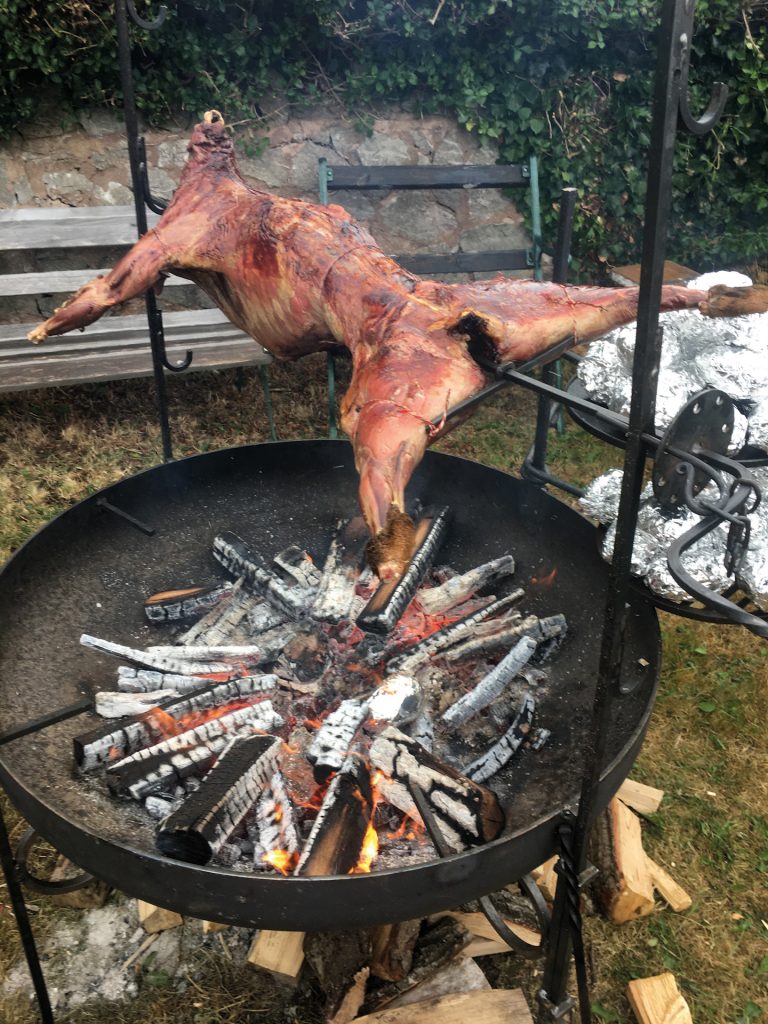
In contrast, deer have a tasty afterlife, so the positives of culling in our woodlands, coupled with putting a healthy super-meat on people’s tables, means the act of killing a deer is often brushed over and renamed ‘culling’.
So surely this is good news for UK stalkers – more deer ranging further, offering opportunities to find new land to shoot on. Yet if you asked deer managers their main concerns with managing the UK deer population, many would mention the difficulties in moving carcasses to market.
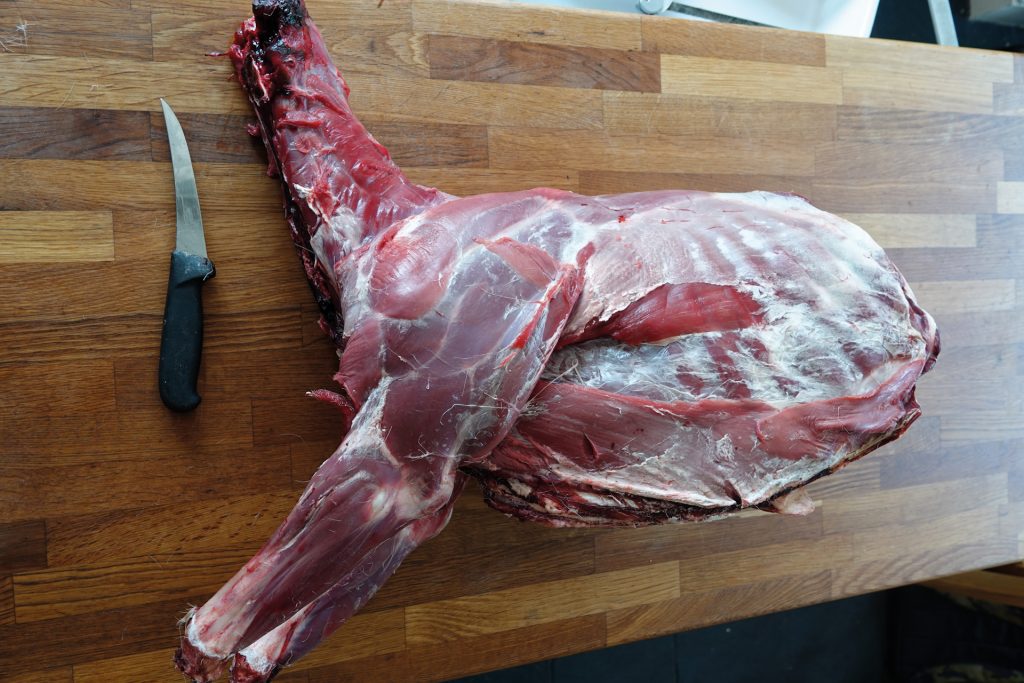
Price aside, this autumn has already seen game dealers restrict what can be brought through their doors. Major taxpayers’ money has gone into some game dealers, yet even they cannot find enough of a market for the meat. At the same time we import a lot of venison from overseas. Surely the public would prefer to eat UK-grown wild venison than farmed deer from the other side of the world? I have found customers who came to me once they realised their Highland venison was actually from New Zealand.
To reduce deer numbers, especially larger species such as red and fallow, a lot of time must go into visiting the ground and having infrastructure to move them once they are on the ground. When opportunities arise, taking multiple deer from a herd is essential as you never know when you will get that chance again. If you do not have assurance that you can move the carcasses, it is not in any of us to leave them to rot.
Paying the price
Price is certainly a key driver in reducing numbers. When the price is good, more stalkers will get out. Social media shows stalkers chastising game dealers for the price they are paying, which is at an all-time low. There are platforms where people who shoot can advertise game. When looking through these posts, sellers often offer deer carcasses at the same price, if not lower, than game dealers. Ultimately this will further reduce what game dealers will pay. After all they are middlemen, whereas when we sell to the final consumer the cost must be higher.
What is the answer?
Many have found it in registering with the local council as a food business operator and offering small quantities of in-fur or processed venison directly to the local consumer. It does take effort and paperwork at the start, but the satisfaction comes from driving your own market for venison. You are responsible for what passes through your premises and can dictate the price based on what the market will pay. The price you charge for a carcass in the skin should be well above what game dealers are paying.
Not all game must be processed; I have a range of final consumers who come for in-fur carcasses. I found the process of setting myself up quite simple, with minimal outlay required. The local authority was very helpful in looking through my documentation and very supportive during the process, despite never having visited another stalker in the county.
Another outlet is the pet food industry. Many pet owners are turning away from traditional dry food and opting for raw feeding. They order it frozen, direct to their door, but for those with time, a venison carcass can offer more. It is cheaper and with far less fat than many farmed meats. Throwing a small percentage of offal into a dog’s diet is also very good for them. In parts of the USA and Canada you can drop off deer carcasses at a processing centre, which will cut it up to feed the homeless or supply it to food banks.
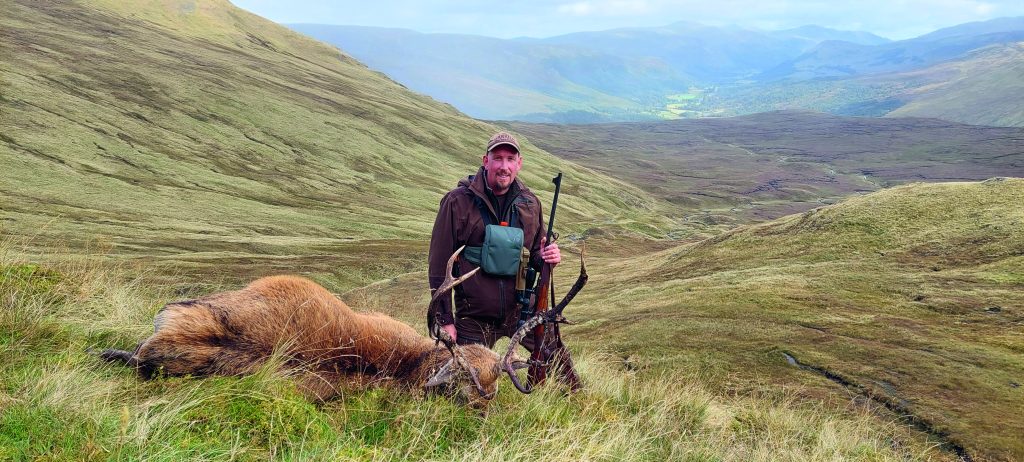
I was shocked on a trip to Scotland a few years ago to see deer fencing, deer gates and cattle grids across the country. It was days into the trip before I saw my first red. Where there were fences, they went as far as the eye could see. What were once wild, open spaces no longer had that feeling; the landscape no longer looked inviting. The message was clear: red deer no longer had their place here.
Options on offer
In England many managers are being granted night licences to manage out-of-control deer numbers. Technology can give more accurate information on deer numbers through thermals and drones, and enables them to be shot at night with thermal and night vision scopes.
The call for rewilding and letting nature take over is getting louder as the years pass. Depending on the type of rewilding, this does not always work well with high deer numbers, so fences must be installed and deer excluded. The alternative is introducing apex predators such as lynx and wolves.
The predator question
Although lynx could theoretically work, as we see in European countries, wolves would, in my opinion, be a step too far for this small country. You only have to look at the movement of wolves from eastern Europe across Germany to see the impact on larger deer species.
The Germans have an excellent record of growing a perfectly balanced deer herd, managed regionally by hunting committees. Stags are not taken until they are at their prime, and each year only a certain number are allowed to be shot in each hunting area. The rest of the herd is managed sensitively, with the right number of each age class of male and female taken to ensure the herd is strong.
Unfortunately wolves do not play by the same rules. Stags can be much easier to catch during or after the rut. Young deer are easily caught, and suddenly the dynamic is skewed. With no legal means of reducing wolf numbers, these historic herds are quickly becoming wiped out. Wolves will move on or turn to easier prey such as livestock.
Deer stalking has grown massively in the past 20 years, but so have deer numbers as they spread to all four corners of our island. We have not yet reached carrying capacity, as there are still areas of the UK not colonised by any deer. To fill these areas will take more time as deer navigate natural and man-made barriers.
“Don’t allow our local resources to go to waste. It’s time for creative thinking when it comes to deer management”
What is surprising is that although we have been eating venison for such a long time, we still import so much. We do not have a supply chain in place that makes the job of the stalkers easier. If ever there was a time to get this in order, it is now. For many stalkers my advice would be to get your venison to market in any way you can. You will find the public very receptive to something that has been around for such a long time.
Related Articles
Hunting
UK hunting
How to start deer stalking in the UK
Deer manager Chris Rogers examines the UK’s expanding deer population and the opportunities it presents for first-time stalkers.
By Chris Rogers
Hunting
International
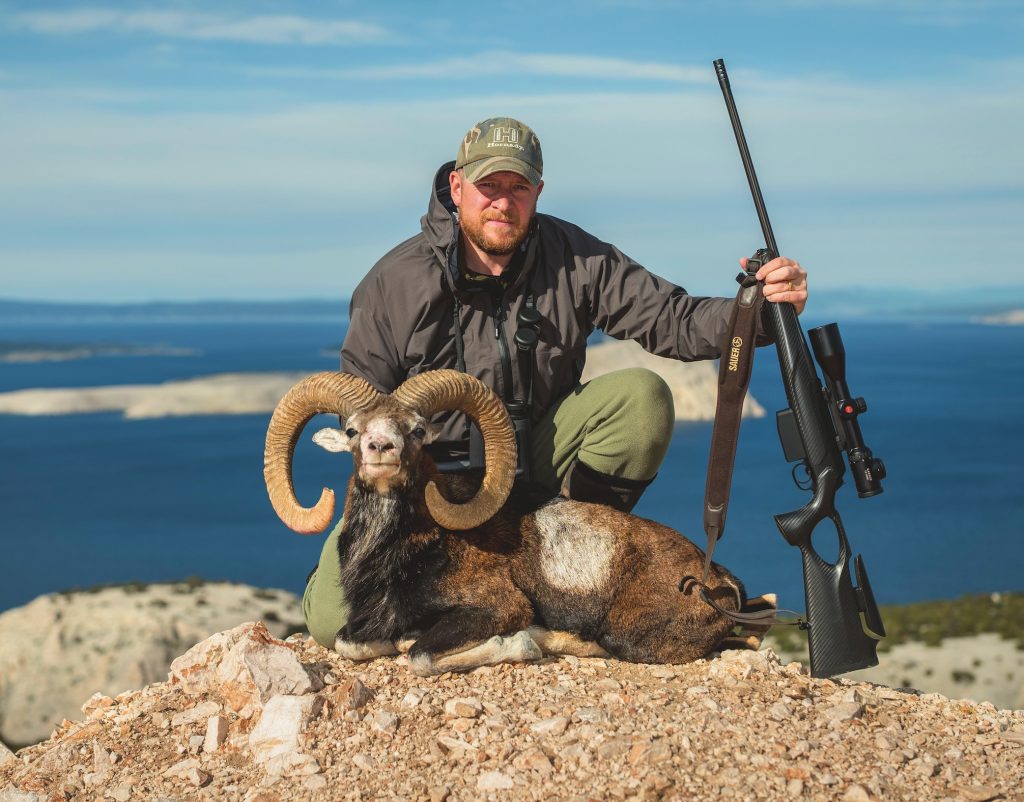
Adriatic mouflon hunt in Croatia
Croatia's coastal mouflon offer a brutal challenge: razor-sharp volcanic rock, sea-level stalking, and long-range shooting across dramatic Adriatic cliffs.
By Simon K. Barr
Put the phone down. Pick up the magazine.
Subscribe to Rifle Shooter
Rifle Shooter is Britain’s only dedicated rifle shooting publication – and at just £4.49 an issue, a subscription is the smartest decision you’ll make this season. That’s 44% off the newsstand price, delivered to your door before it hits the shelves.
Every bi-monthly issue is packed with rifle and optics reviews, stalking features, long-range technique and international hunting adventures. Each edition also features an exclusive interview with a guest editor from the very top of the sport – candid, first-hand insight you won’t find anywhere else.
No algorithms. No clickbait. Just exceptional rifle shooting content, crafted by people who live and breathe the sport.
Since launching in 2015, Rifle Shooter has built a loyal community of stalkers, target shooters and hunters who know that some things are worth reading properly. Join them.