★ Save on shop price when you subscribe to Rifle Shooter. Pay just £4.49 per issue – 44% cheaper than buying in-store. Subscribe here ★

Stalkers asked to support deer ked study
The British Deer Society is backing a University of Oxford study into deer keds and is calling on stalkers to submit samples from across the UK
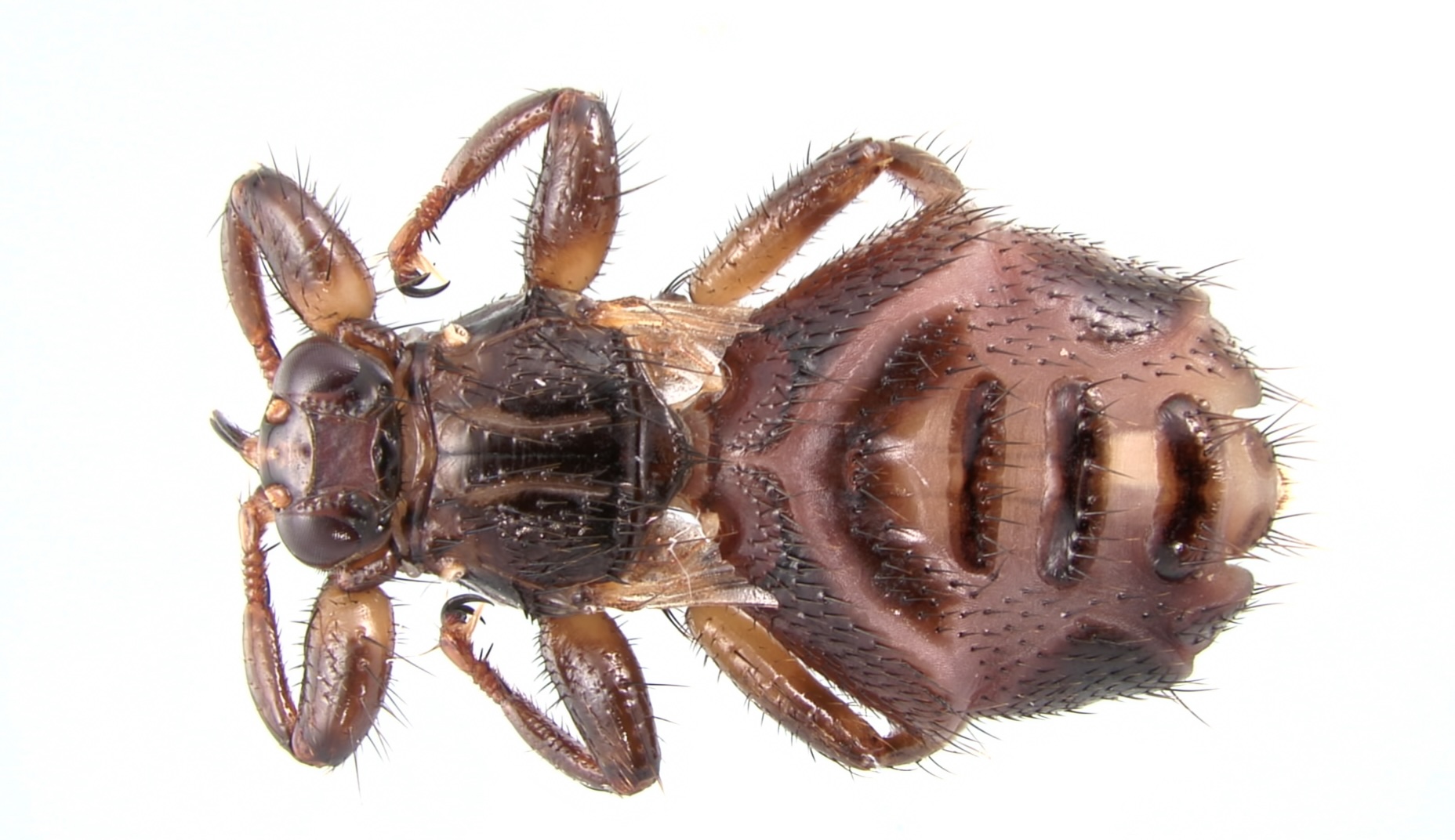 Female deer ked. Credit: Dave Brice of Diptera Identification Services

Oxford research into deer keds
Stalkers are being asked to help with a University of Oxford study into deer keds, backed by the British Deer Society.
Dr Denise Wawman’s research aims to identify ked species in Britain, map their distribution, and investigate their role in disease transmission. Two hundred and three volunteers have already volunteered to collect samples from across England and Scotland, mostly from red and roe deer.

.
Call for samples from under-represented areas
The British Deer Society is now appealing for samples from Wales, East Anglia and south-east England from any species, and from non-native species including muntjac, fallow, sika and water deer anywhere in the UK. Non-native keds, if present, are most likely to be found on these hosts, the society says.
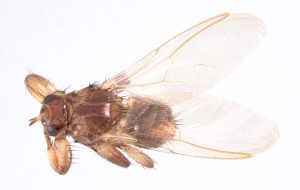
Deer keds are small, blood-feeding flies. Adults measure 2-7mm long, are flattened and reddish-brown, and have wings when searching for a host but shed them once settled on a deer, giving them a tick-like appearance.
.
Support from the British Deer Society
British Deer Society chief executive David McAuley told Rifle Shooter: “Stalkers and deer managers are uniquely placed to support this research. Every sample they provide helps build a clearer picture of deer ked distribution across Britain and improves our understanding of their potential role in disease transmission.”
Stalkers can email denise.wawman@biology.ox.ac.uk for guidance on sample collection.
Do you have a news story to share?
Contact our group news editor Hollis Butler at hollis.butler@twsgroup.com. We aim to respond to all genuine news tips and respect source confidentiality.
Stay in the loop with the latest fieldsports news
Don’t miss a story – get shooting news straight to your inbox or phone. Subscribe to our newsletter.
Related Articles
News
Lords vote to remove sound moderators from Section 1
The House of Lords has voted unanimously to take moderators off certificates, with changes expected to follow Royal Assent in the coming months.
By Hollis Butler
News
Night shooting simplified for England’s deer managers
CL55 brings England's night shooting framework into the modern era, including authorisation of thermal imaging for the first time.
By Hollis Butler
Put the phone down. Pick up the magazine.
Subscribe to Rifle Shooter
Rifle Shooter is Britain’s only dedicated rifle shooting publication – and at just £4.49 an issue, a subscription is the smartest decision you’ll make this season. That’s 44% off the newsstand price, delivered to your door before it hits the shelves.
Every bi-monthly issue is packed with rifle and optics reviews, stalking features, long-range technique and international hunting adventures. Each edition also features an exclusive interview with a guest editor from the very top of the sport – candid, first-hand insight you won’t find anywhere else.
No algorithms. No clickbait. Just exceptional rifle shooting content, crafted by people who live and breathe the sport.
Since launching in 2015, Rifle Shooter has built a loyal community of stalkers, target shooters and hunters who know that some things are worth reading properly. Join them.