- Rifles
- Optics
- Ammo
- Hunting
- News
- Target shooting
- Gear
- Competitions
- More
-
-
More
-
- No posts selected.
-
-
-
-
Save on shop price when you subscribe to Rifle Shooter. Pay just £4.49 per issue – 44% cheaper than buying in-store. Subscribe here

Long-range foxing at night
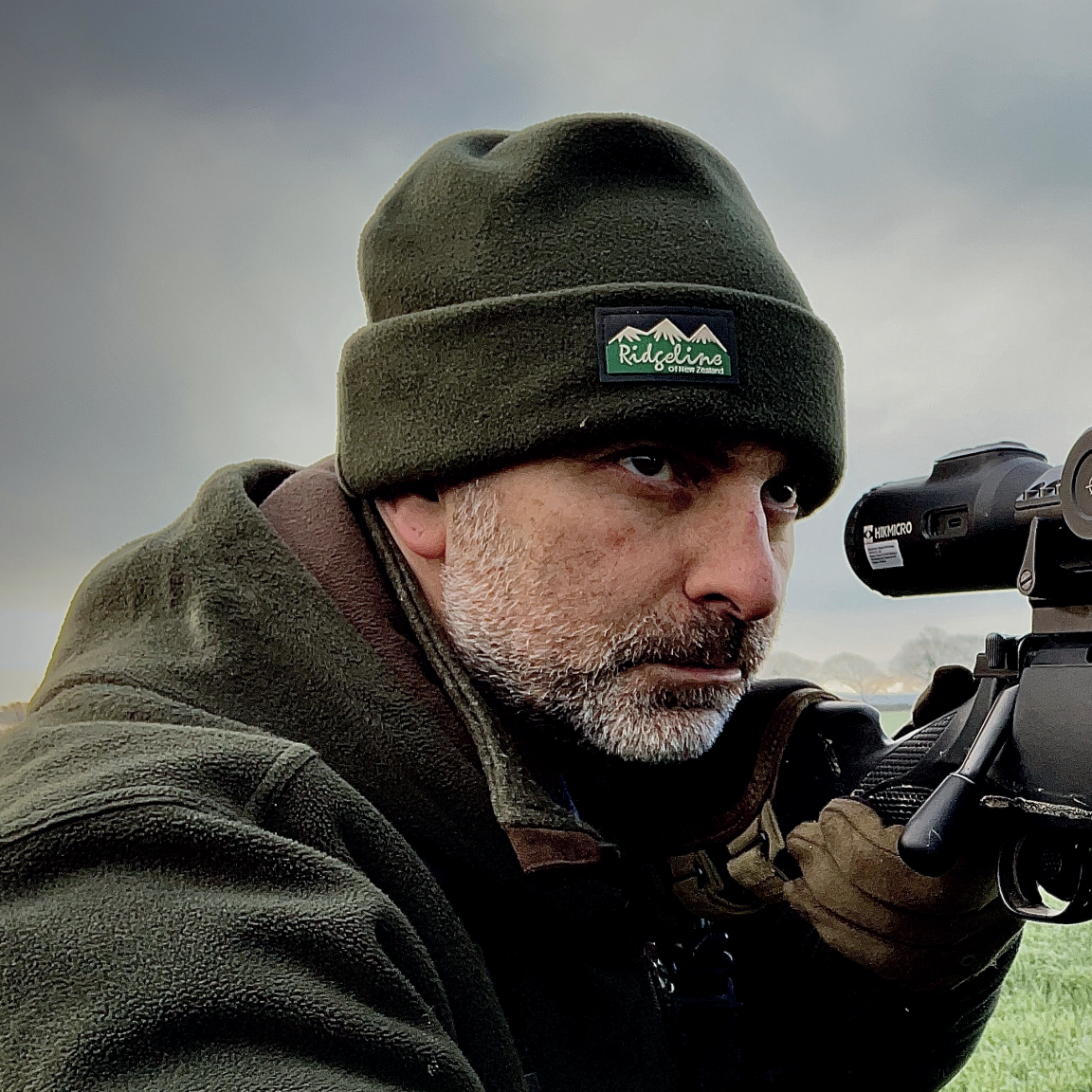
Mark Ripley questions the wisdom of long-range night shooting and shares key tips for reliable accuracy.
At extreme range
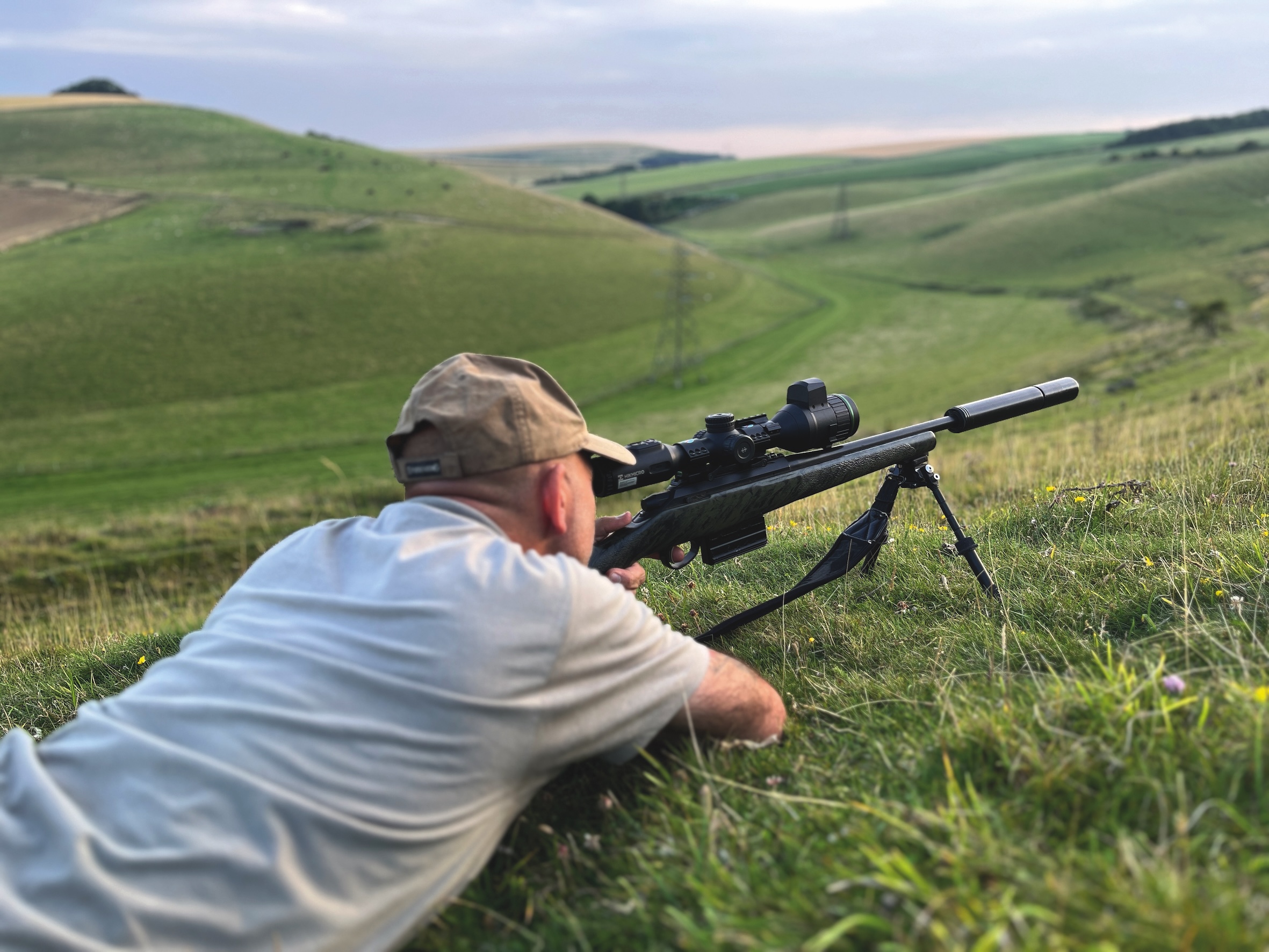
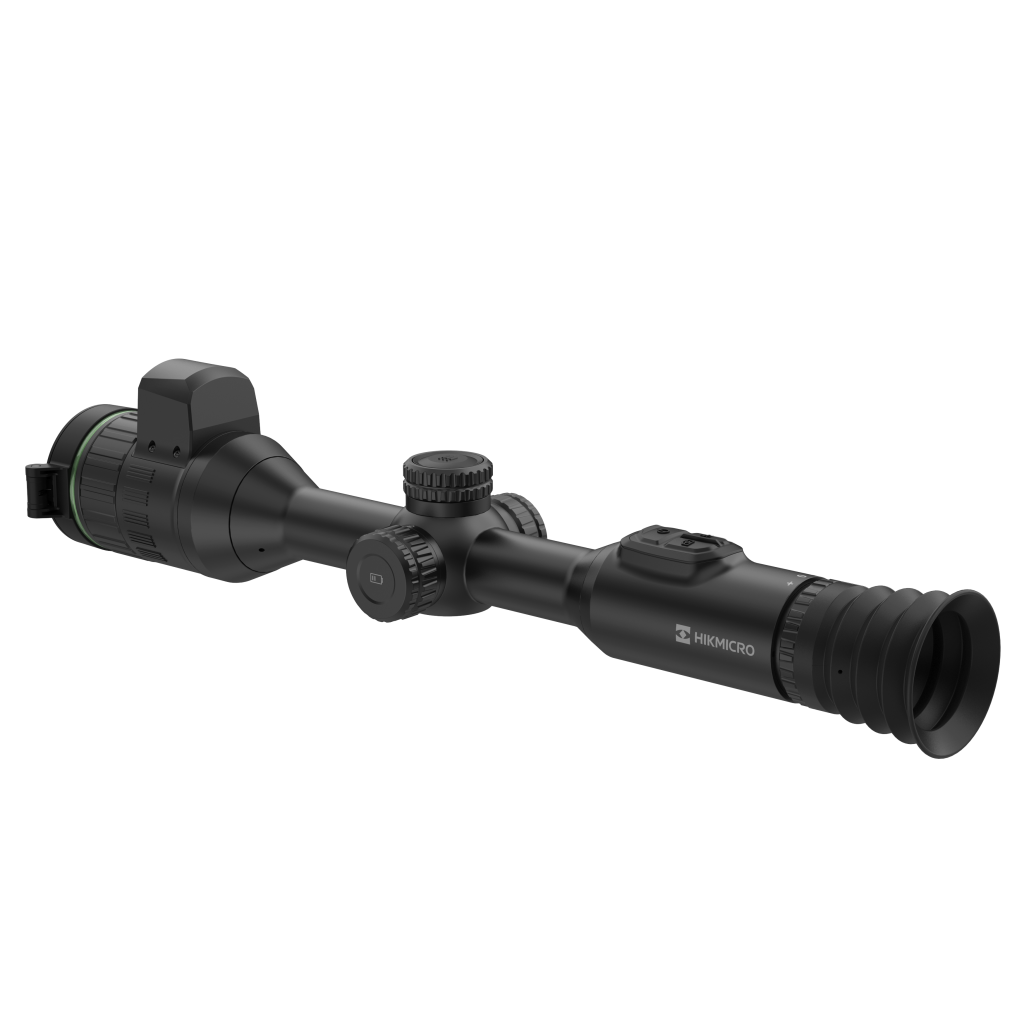
Since the British Shooting Show in February, the Hikmicro Alpex 4K LRF has become a major success. With its built-in rangefinder, ballistic calculator and competitive price, it was almost guaranteed to take off. Foxers and rabbit shooters adopted it first. Soon after, several stalkers began to use it for its extended light-gathering ability in daytime mode.
However, an important question remains: does this technology tempt us into taking shots beyond our comfort zone?
This is not a criticism of the unit. The scope gives impressively accurate corrections when the inputs are correct. Yet many shooters appear to rely on the ballistic software without proper testing at longer distances.
The importance of a correct zero
Many people send a couple of rounds downrange, have one or two land wide, and blame poor technique. But a correct zero is essential. A rifle that is 1in out at 100yd will be 3in out at 300yd — potentially a clean miss or an injured fox.
Use a bipod, sandbag or bench. Take slow, steady shots. You may use more rounds while zeroing, but it will save wasted ammunition later. After confirming zero, write down your profile coordinates. You will almost certainly need them again.
Using cheap soft-point ammunition might work at 100yd. But beyond that, a high-quality ballistic tip delivers better consistency.

Ballistics and the missing piece: wind
The Alpex and similar scopes offer accurate holdover for bullet drop. Yet they cannot give reliable wind drift information. At night this challenge increases. Many shooters have little idea how much hold a 10mph crosswind requires at 300yd.
I always recommend a rear bag and a solid bipod for extended ranges. Without them you add instability. At longer distances, that instability multiplies.
Are ballistic scopes giving false confidence?
On Facebook groups dedicated to the Alpex, many users input ballistic data and head straight into the field without testing the results at distance. The cost of ammo and access to long ranges often limit practice. But it remains essential.
Whatever software you use, the data usually needs small tweaks. One of the biggest causes of poor real-world performance is an inaccurate zero. Your zero must be exact at a measured distance and confirmed with at least three shots forming a tight group. I normally shoot five to be certain.
When long shots become necessary
On open ground, foxes often appear and move before you can close the distance. In these situations, a composed long-range shot may be your only ethical option.
One evening I waited for a vixen taking lambs in a fierce 20–30mph wind. The terrain forced me to shoot from over 300yd across a valley. Using a Pard 007 add-on and my dayscope, I dialled the range, held for wind and dropped her cleanly at 350yd.
Tuning your ballistics data
Factory ballistic charts are only a starting point. Published velocities are often higher than the real figures many UK shooters get. Colder temperatures and shorter barrels reduce speed. Dropping the velocity by around 100fps often gives a better match. Fine-tune the figure to match your actual drops on paper.
A chronograph gives the most accurate information, so use one if you can.
Brands such as Pard, Arken and Swarovski offer their own ballistic-enabled optics. Swarovski’s DS range works extremely well, even though it is designed as a dayscope. It can still be used at night with a lamp.
Sharp image advantages
My most consistent results at long range after dark have come from using a thermal or night-vision add-on with a standard optical scope. This setup gives a crisp image and lets you use your turrets or reticle markings as intended.
I rarely see the need to shoot extreme distances at night. I prefer a fast, quiet approach to close the gap. Foxes rarely rush when they feel safe in the dark, often giving you time to work closer.
But on large, sweeping ground, closing in may cost you sight of the animal. In these cases, a calm, calculated long shot becomes viable.
Where digital scopes are still limited
For fox-sized targets beyond 300yd at night, digital scopes become pixelated at high magnification. A model with an 8x optical base would be far more usable when digitally doubled or tripled. If Hikmicro developed one, it would likely be a major hit.
Popular calibres such as .223, .204 and .22-250 require minimal holdover at around 300yd when zeroed an inch high at 100yd. In these cases, the ballistic advantage of a digital scope becomes less clear.
Earlier this year, a client using an Alpex on one of my training days engaged daylight targets consistently out to almost 800yd. That is impressive for a scope costing under £850.
Final thoughts
Ballistic scopes and digital night-vision have transformed modern foxing. Yet technology should not tempt us beyond ethical limits. A precise zero, stable shooting position, knowledge of wind and real-world testing remain essential.
Related Articles
Gear
Night Vision
Optics
Z6i 4-24x56 P BT - redefined for a new era of precision
For more than 75 years, SWAROVSKI OPTIK has shaped the future of premium hunting optics. Guided by the principle “by hunters, for hunters”, the Tyrolean family-owned company brings together deep f...
By SWAROVSKI OPTIK
Night Vision
Thermal
The heat is on
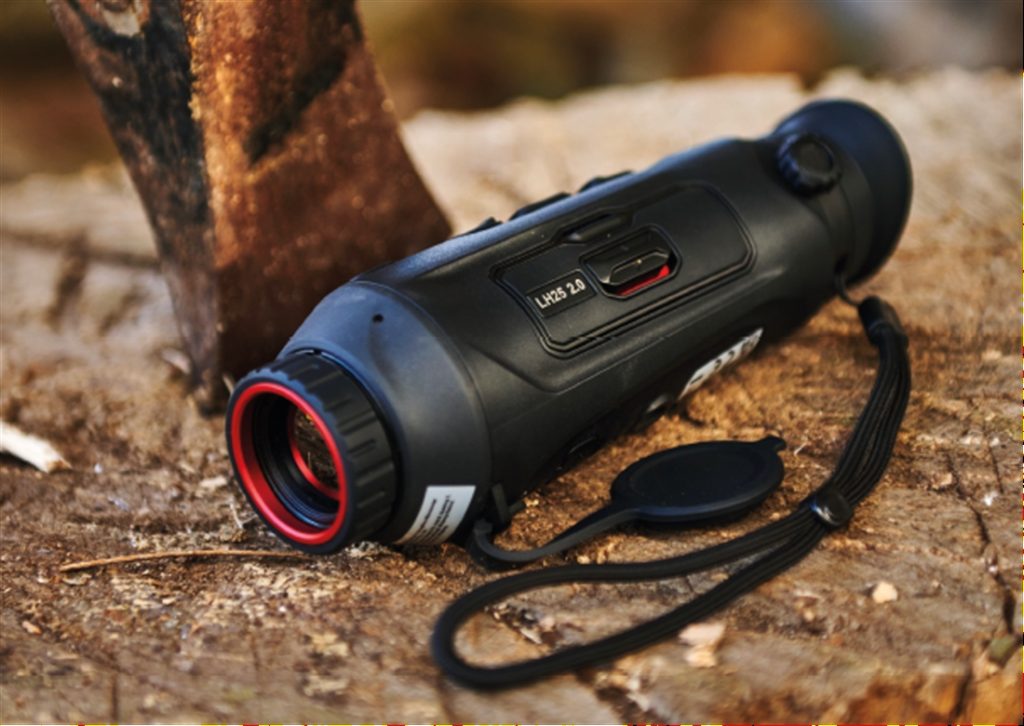
Mat Manning gears up with the Hikmicro Lynx 2.0 thermal monocular as he targets garden-raiding rats under the cover of darkness.
By Rifle Shooter
Get the latest news delivered direct to your door
Subscribe to Rifle Shooter
Elevate your shooting experience with a subscription to Rifle Shooter magazine, the UK’s premier publication for dedicated rifle enthusiasts.
Whether you’re a seasoned shot or new to the sport, Rifle Shooter delivers expert insights, in-depth gear reviews and invaluable techniques to enhance your skills. Each bi-monthly issue brings you the latest in deer stalking, foxing, long-range shooting, and international hunting adventures, all crafted by leading experts from Britain and around the world.
By subscribing, you’ll not only save on the retail price but also gain exclusive access to £2 million Public Liability Insurance, covering recreational and professional use of shotguns, rifles, and airguns.
Don’t miss out on the opportunity to join a community of passionate shooters and stay at the forefront of rifle technology and technique.