★ Win a Bore Tech rifle cleaning kit worth £491! Click here to enter ★


Down to earth: fox control at cub time
Gamekeeper Lance Barton explains why cub time is a narrow but important window in the foxing calendar, where planning and preparation pay dividends
 Credit: Getty Images / Colin Langford

From the gamekeeper’s point of view, cub time is all about timing and responsibility. It is one of the most important periods in the keeper’s year, and, if properly planned, much of the real work will already have been carried out months in advance.
This is not sport; it is practical, necessary control. Done correctly, it protects ground-nesting birds, young game, and livestock. More importantly, it prevents larger problems from developing later in the season.
Getting ahead in winter
As mentioned previously, January into February is when foxes pair up and vixens are covered. At that time of year, they are more visible, more mobile, and far easier to account for.
It is always my aim to deal with vixens before they go to ground; this is the cleanest outcome. No cubs, no follow-up work, and no welfare concerns later. It is both efficient and responsible.
You will not account for them all, but the more you deal with early, the easier the rest of the year becomes.
When are fox cubs born?
By late February into March, pregnant vixens will be lying up. Earths are established in quiet banks, hedgerows, old rabbit holes, or anywhere that offers safety and shelter.
The earliest litters may arrive by the end of March, although early April is more typical. Once cubs are born, there is often a lull in visible activity. You may see very little of the vixen, and sometimes nothing at all unless you know the ground intimately.
This does not mean the foxes have gone; rather, they have settled into a routine. The dog fox will bring food to the earth, while the vixen remains close to the cubs during their first weeks.
Early litters: your primary focus
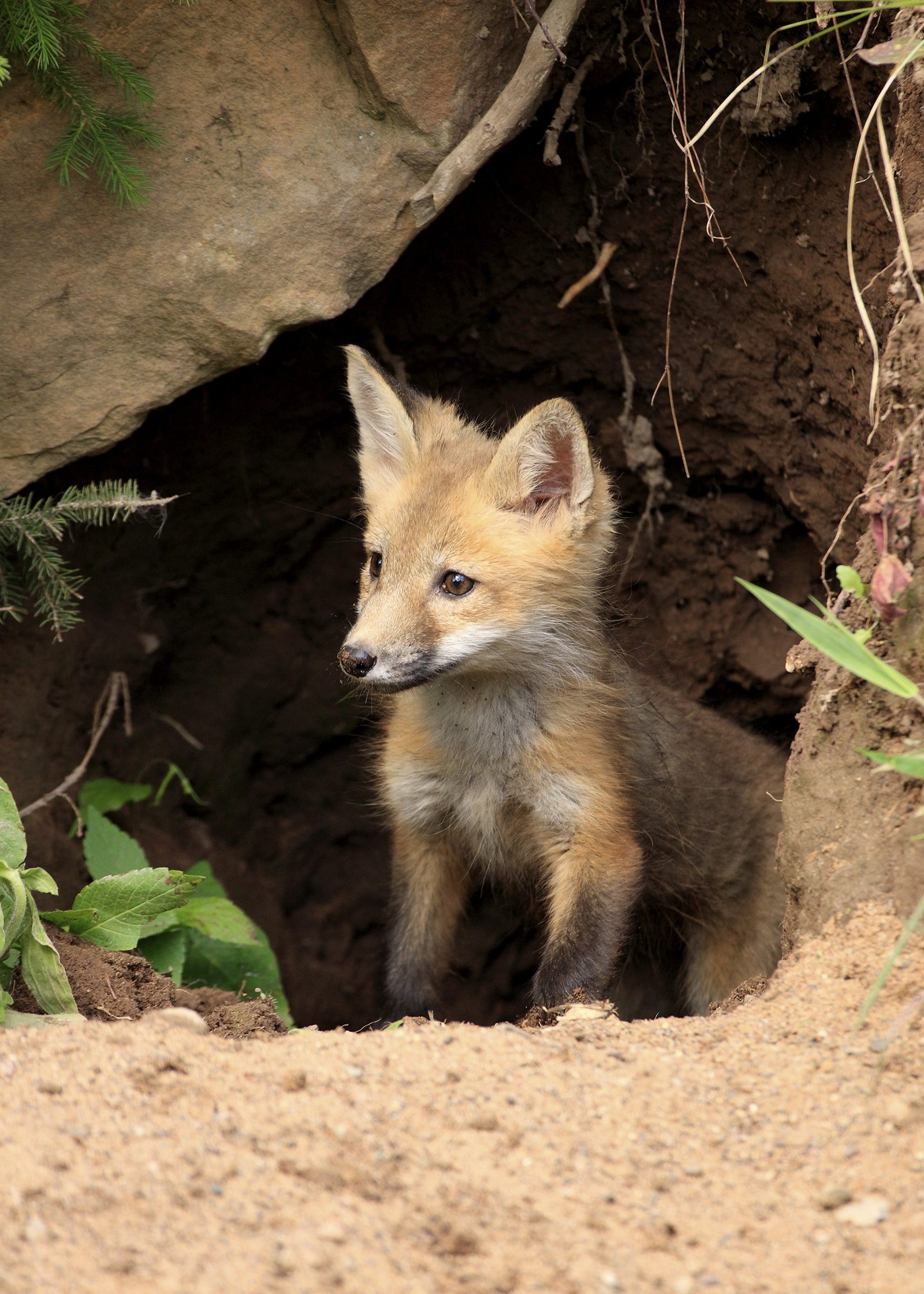
Early litters should be your primary focus. In a mild spring, cubs may be seen above ground by mid-April. At first, they appear only briefly, but within a week or two they will be out playing regularly.
By early May, they are growing rapidly and the demand for food increases sharply. The vixen will begin hunting more actively and earlier in the evening, and may even be seen during daylight hours.
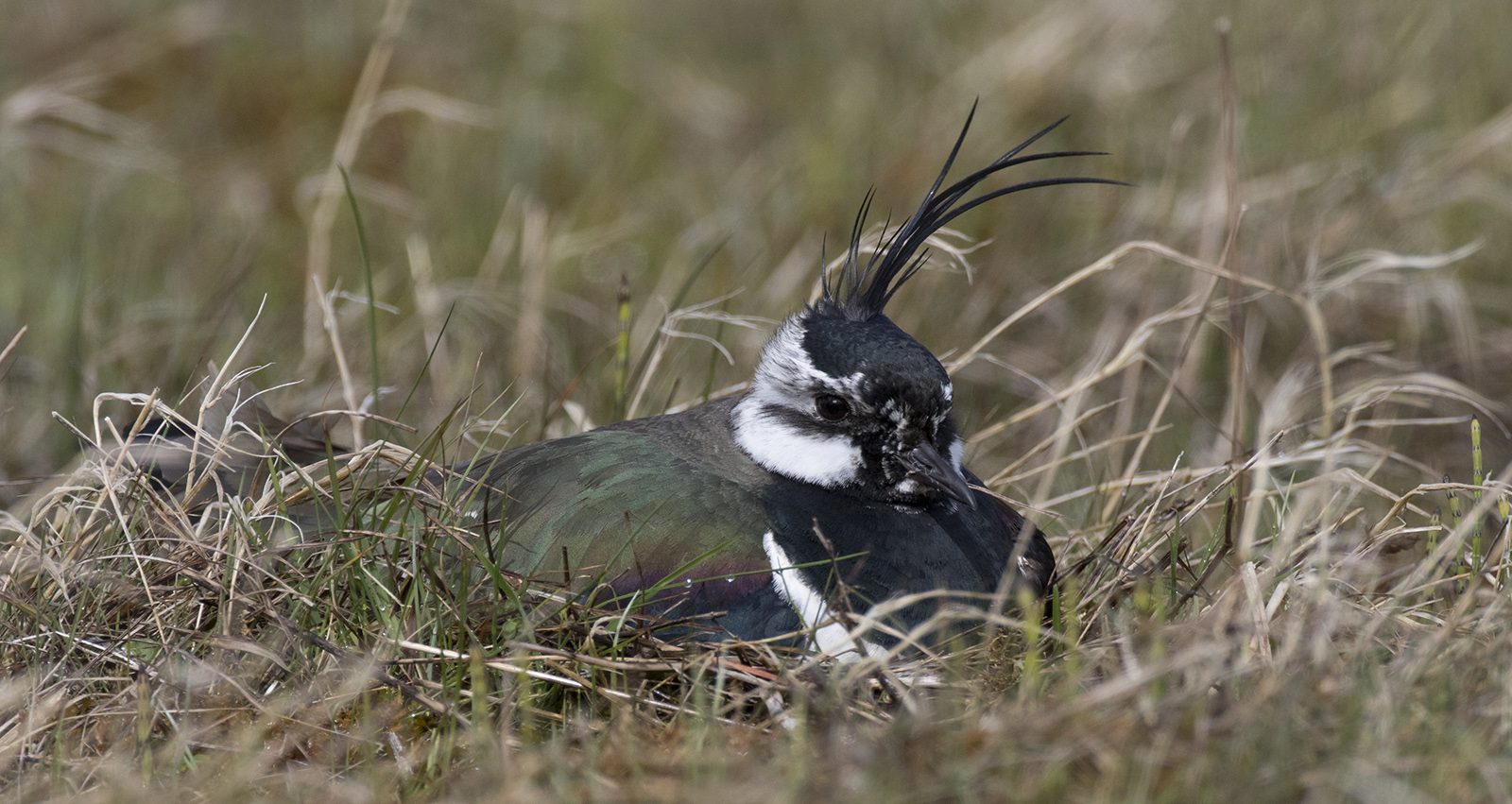
These early litters can quickly become problematic, particularly where ground-nesting birds such as waders and partridges are concerned. The increase in feeding activity coincides with the start of the birds’ own breeding season, when they are at their most vulnerable.
Late litters and staggered timing
Not all litters arrive at the same time. Late litters may not appear above ground until May or even early June. Recognising this staggered timing is important, as you may be dealing with well-grown cubs in one area while another earth is only just becoming active. Precious time should not be wasted on the wrong locations.
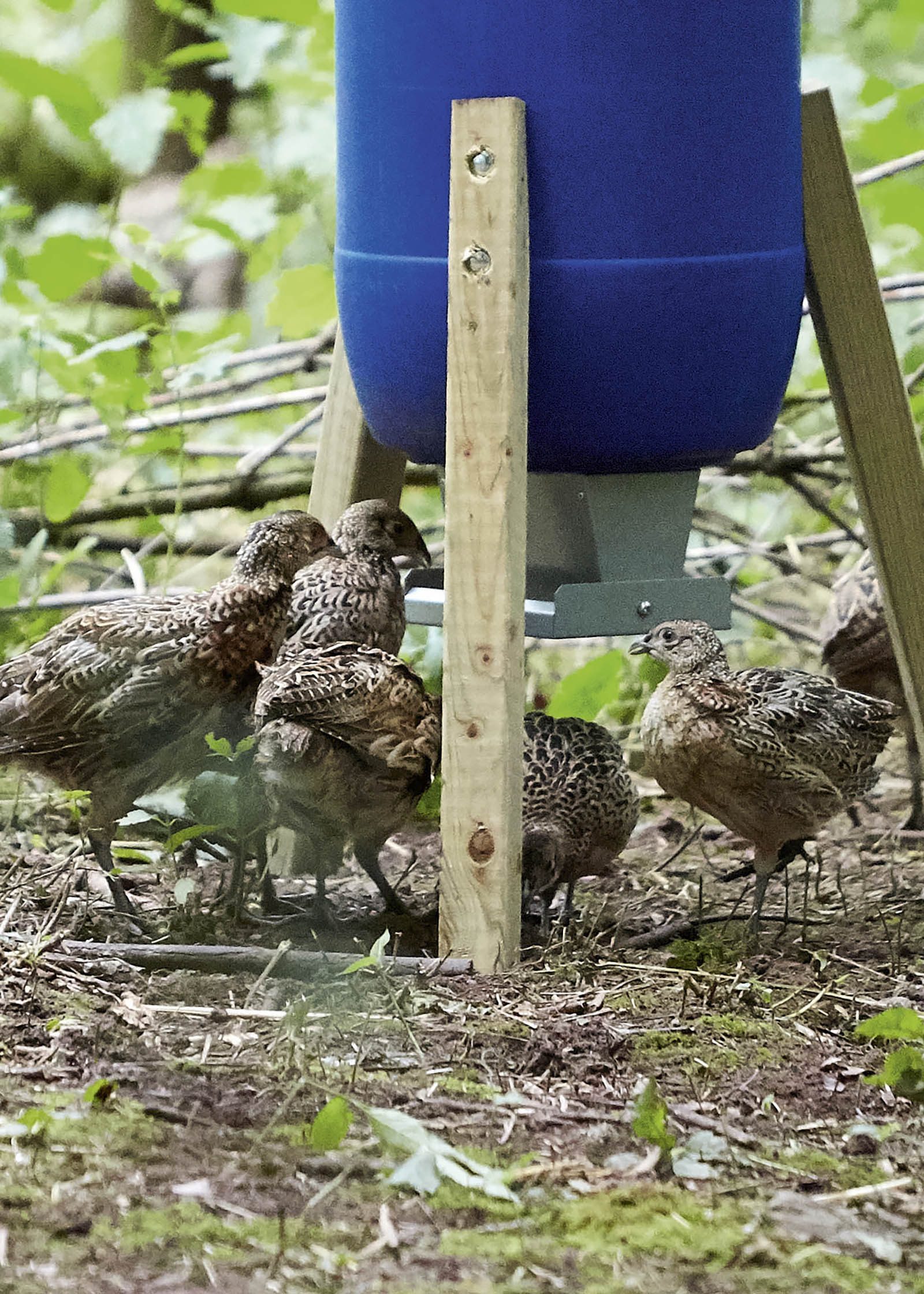
Late litters often coincide with peak vulnerability for wildlife and game. Chicks are on the ground, wild broods are active, and early gamebird deliveries may already be in release pens. This overlap can significantly increase pressure on keepers and game managers, making early control all the more valuable.
Reading the ground for fox sign
Observation is critical, never more so than at this time of year. Look for subtle signs of activity: flattened grass or crops where cubs have been playing, feathers near an earth, or regular runs through gateways and along hedgerows.
Even birds provide clues. Alarm calls from pheasants, blackbirds, or corvids will often reveal the presence of a fox long before it is seen.
The more time spent observing, the clearer the picture becomes. You begin to understand where foxes are coming from, where they are going, and when they are most likely to appear.
Best times to shoot foxes at cub time
With longer daylight hours, evenings are generally the most productive. As light fades, foxes begin to move, and with cubs to feed they are often less cautious than at other times of year.
Early mornings can also be effective, particularly on less disturbed ground, but evenings tend to be more consistent during cub time.
Still conditions or a favourable wind are crucial. Get the wind wrong and any opportunity will be lost in an instant.
Approach and technique
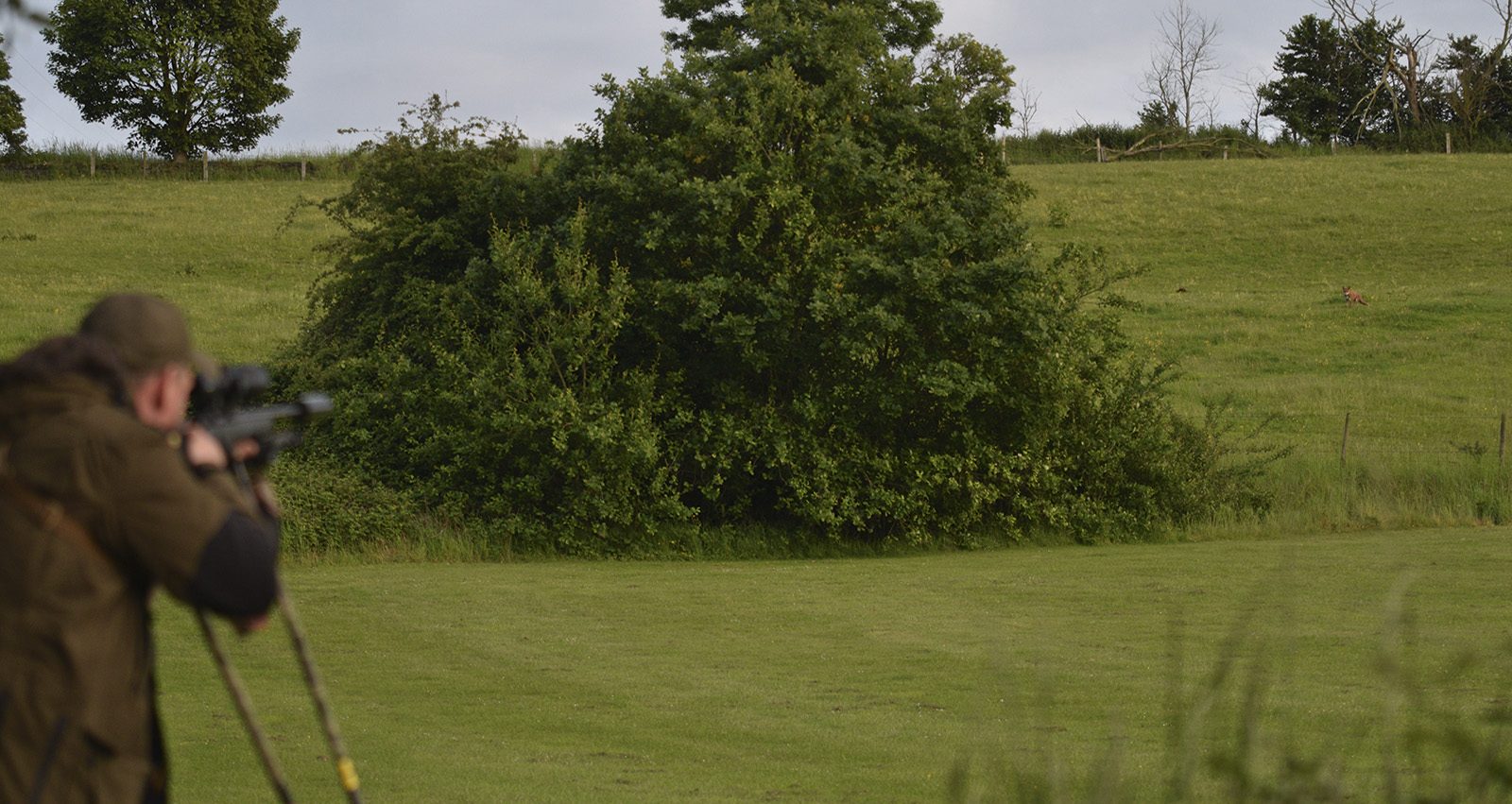
At this time of year, success comes from positioning yourself correctly. If your groundwork has been done, known runs along field edges, wheelings through crops, and routes back to the earth are all high-probability locations.
A quiet, low approach using available cover is essential to avoid detection. Once in position, patience and preparation are key. You may sit for an hour without seeing anything, only for events to unfold in seconds.
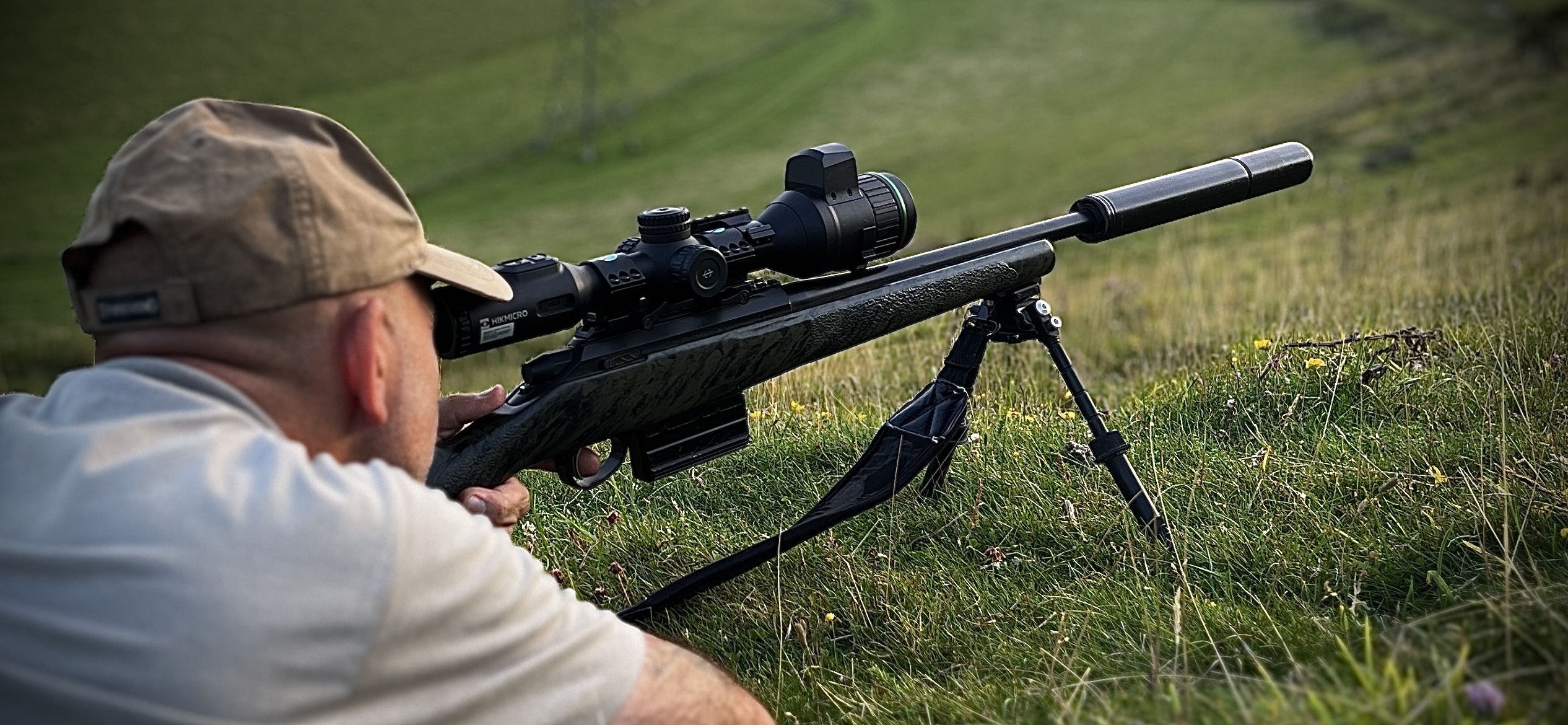
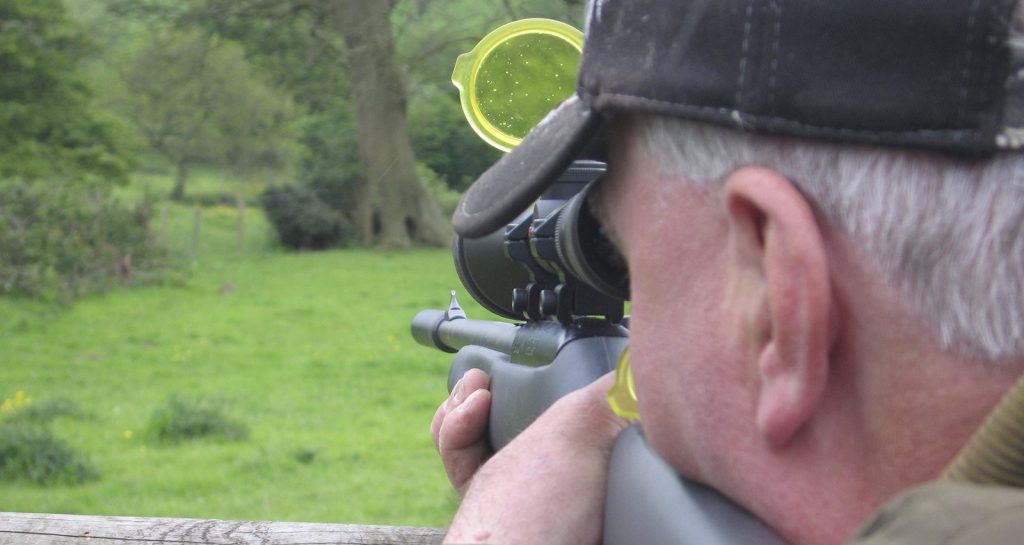
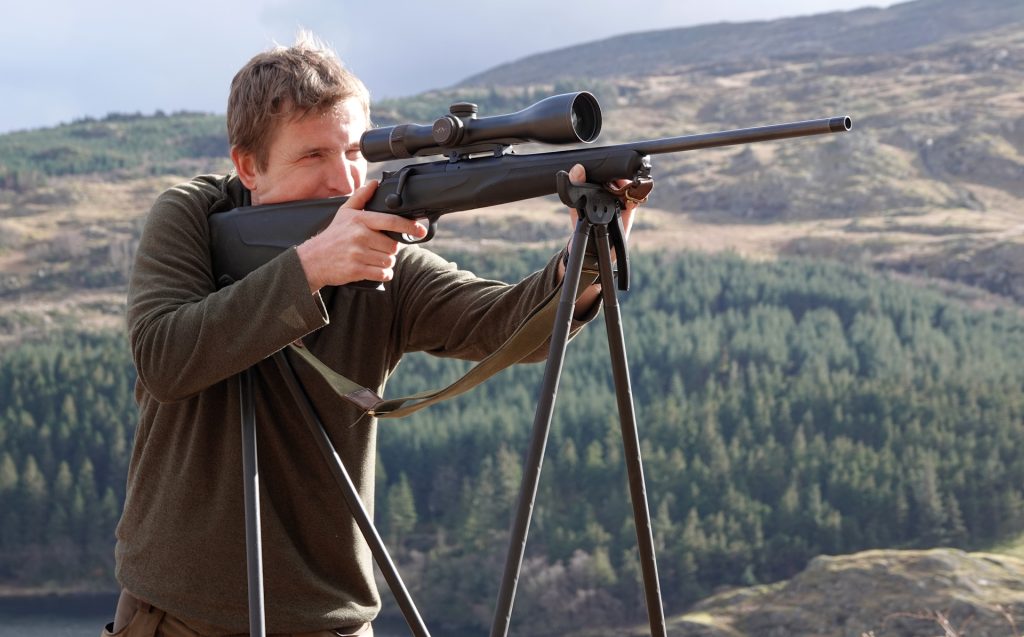
When the moment comes, you need to be ready. Make sure you have a stable shooting position, you know the range, your scope is set correctly and you have a round chambered in the rifle. You don’t want to be fumbling around with the rifle or bolt and making a noise.
Practice, along with a set-up you have confidence in, is essential, so when the fox finally appears you can settle behind the rifle with the minimum of movement, place the crosshairs, slip off the safety and take the shot, all within seconds.
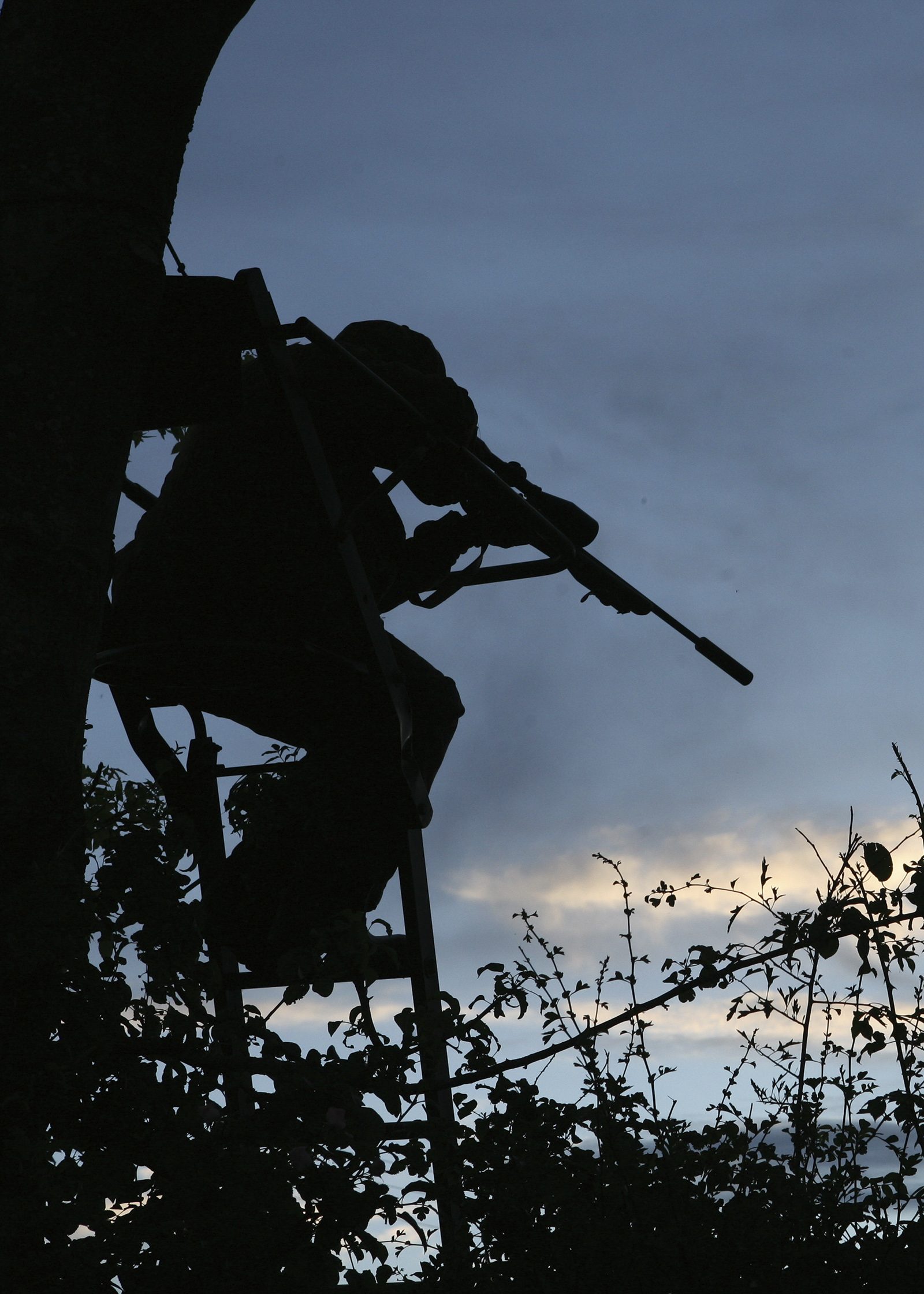
With most of the deer cull completed, this is also an ideal time to make use of any high seats situated on your ground. Obviously, you will need to get permission to use them if they are not your own, and be aware of how to get in and out of them safely while carrying your rifle. Positioned to provide safe shooting angles and cover high-traffic areas, they are just as useful for fox control as for deer.
If the seats belong to you, you might even consider repositioning them for the spring and summer, to cover earths and known fox routes and make them work for you year-round.
Shot placement and responsibility
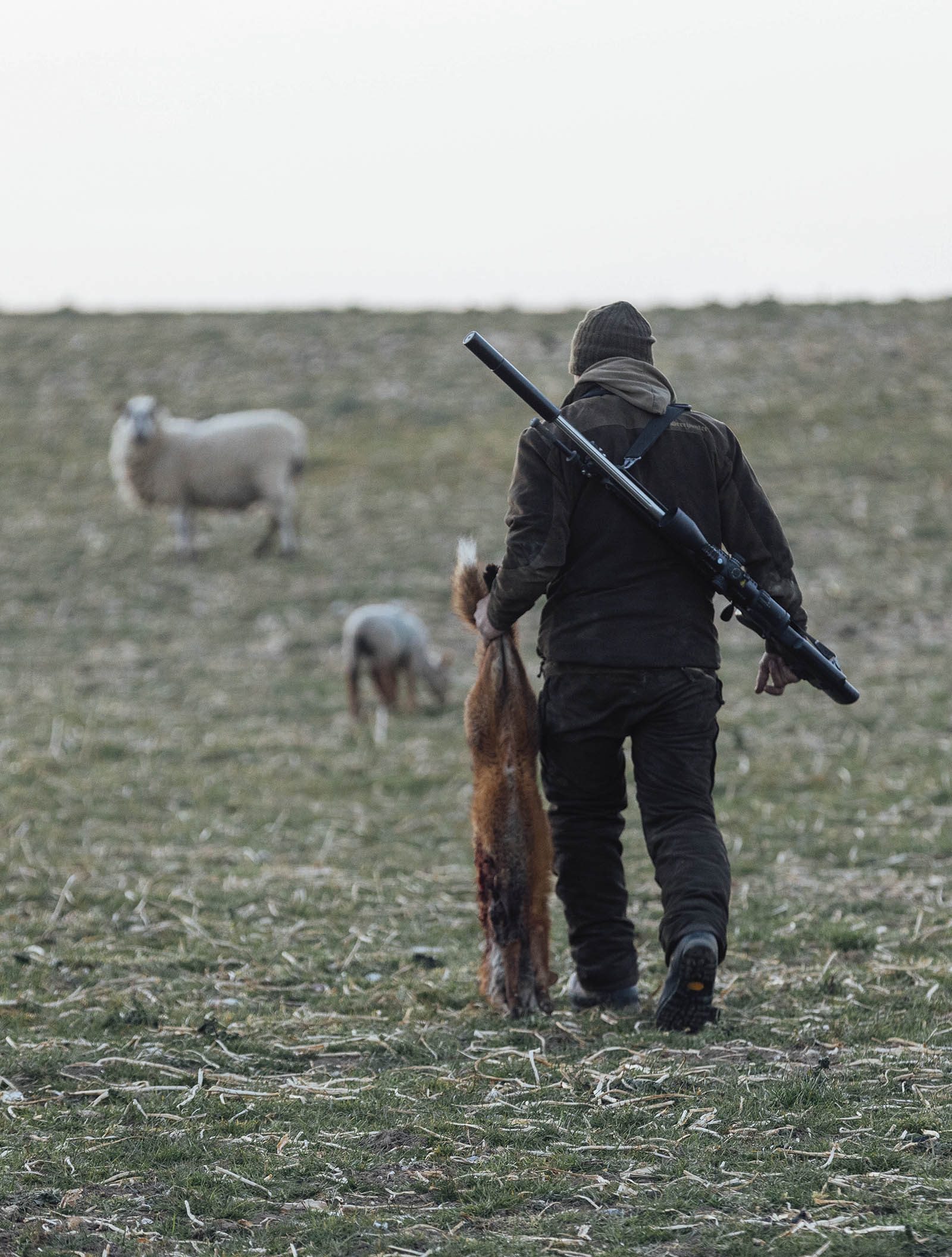
While obvious, I will reiterate that all shots must be as clean and humane as possible. Whether aiming for the head or chest depends on factors such as the situation, angle and range. We must remember that we are dealing with a live creature here, not a target, so there is no place for fancy shooting. Where possible a shot to the chest and shoulder area presents the best chance of hitting vital organs and getting the job done quickly and cleanly.
Using a moderator not only helps keep disturbance to a minimum, but also improves rifle stability, allowing you to quickly take further opportunities if presented. Where possible, focus on the vixen, as removing her has the biggest immediate impact on predation.
While multiple opportunities – whether it be a group of foxes or well-grown cubs ranging together – can prove tempting, even in the heat of the moment, we must remain ever mindful that our priority is to take only safe shots with a solid backstop. If in doubt, don’t take the shot!
Dealing with cubs
Cubs are an inevitable part of fox control. If the vixen is removed and cubs remain, a considered decision must be made based on their age and condition. This should never be taken lightly.
In some cases, further control is necessary; in others, cubs may already be capable of fending for themselves and can be managed accordingly.
The aim, however, is always to avoid this situation entirely by acting early in the year before cubs are born.
Conclusion
Cub time is a narrow but critical window in the foxing calendar. It is when earlier efforts yield results, and where any weaknesses in planning become apparent.
For me, the principle is straightforward: this is not about sport, but about carrying out necessary work to the highest standard. Early control is the key to success, with every fox accounted for, bringing about a better outcome. Be this for ground-nesting birds, stocks of game or the increasingly stretched resources of the keeper.
Get ahead early and the season will run smoothly. Fall behind, and you will spend the rest of the year trying to catch up.
Frequently Asked Questions
When are fox cubs born in the UK?
The earliest litters may arrive by the end of March, though early April is more typical. Late litters can appear above ground as late as May or even early June, so timing is staggered across different earths.
Why is fox control important during the breeding season?
The vixen’s need to feed her cubs sharply increases hunting activity just as ground-nesting birds such as waders and partridges begin to breed, when chicks are on the ground and game is at its most vulnerable. Early control protects ground-nesting birds, young game and livestock.
Where should you aim when shooting a fox?
Whether to aim for the head or the chest depends on the situation, angle and range. Where possible, a shot to the chest and shoulder area offers the best chance of hitting vital organs and accounting for the fox quickly and cleanly. Only take safe shots with a solid backstop.
Related Articles
Hunting
Bunnies beat the blues: summer rabbit control on small acreages
Professional pest controller Ben Collins on why summer is no time to hang up the rimfire, and how patient, on-foot fieldcraft with a suppressed .22LR keeps small-acreage rabbit numbers in check
By Ben Collins
Hunting
Rising deer numbers challenge venison market
Deer numbers are increasing across the UK, but the venison market faces hurdles. Alex Hatton delves into these challenges and what they mean for stalkers nationwide
By Robert Hardy
Put the phone down. Pick up the magazine.
Subscribe to Rifle Shooter
Rifle Shooter is Britain’s only dedicated rifle shooting publication – and at just £5.82 an issue, a subscription is the smartest decision you’ll make this season. That’s 35% off the newsstand price, delivered to your door before it hits the shelves.
Every bi-monthly issue is packed with rifle and optics reviews, stalking features, long-range technique and international hunting adventures. Each edition also features an exclusive interview with a guest editor from the very top of the sport – candid, first-hand insight you won’t find anywhere else.
No algorithms. No clickbait. Just exceptional rifle shooting content, crafted by people who live and breathe the sport.
Since launching in 2015, Rifle Shooter has built a loyal community of stalkers, target shooters and hunters who know that some things are worth reading properly. Join them.